
August garden checklist
UNIVERSITY OF MINNESOTA EXTENSION - www.extension.umn.edu
Mystery of the month

Large patches of this lawn are turning brown this summer. These patches are typically green the rest of the year, but the browning area seems to be spreading wider each year.
The solution for what you should do is at the bottom of this article.
Pests and diseases
Monitor lilacs for leaf diseases other than powdery mildew. During dry years, some diseases may not show up in late summer or early fall.
Septoria leaf spot is a common fungal pathogen on lilacs. You may notice brown to black spots on the leaves. The spores can live for many years on infected leaves on the ground, and they spread mainly from water splashing from an infected leaf onto a non-infected leaf. The best management strategy is removing all the fallen leaves to prevent infection next year.
Trees and shrubs
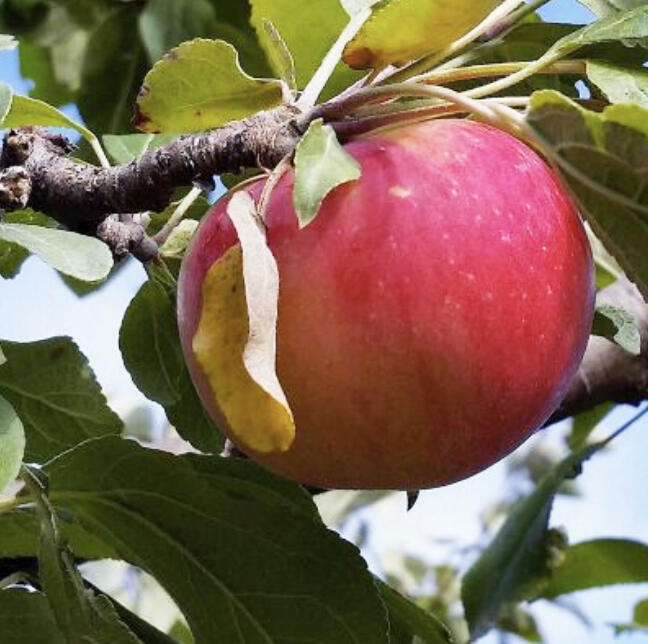
Harvest fruit from early apple varieties, like Zestar!® There are other late summer and early fall edible perennials that you shouldn’t ignore, like elderberries and kiwiberries.
If you want to include some edible, woody perennials in your landscape, check out this list of fruits and nuts for Minnesota landscapes.
lowers and other garden plants
Choose new perennial plants to add to your garden this fall. Late August into September is an excellent time to plant many herbaceous perennial plants. Make sure to keep them well-watered until the ground freezes in fall.
Use the Plant Elements of Design tool to find plants that fit your space.
Houseplants
Do less to have better plants. Near the end of the month, start decreasing the amount you are watering houseplants you plan to bring indoors for the winter. By doing this, you help prepare them for the drier indoor air during fall and winter.
Find out more about moving your houseplants inside.
Lawn
As much of Minnesota enters some form of drought, you might be wondering, how dry is too dry for your lawn? Many lawns are perfectly capable of surviving 40-50 days without rain or irrigation because the lawn enters a state of dormancy.
This year has been both hot and dry, and evapotranspiration rates have been very high. This means plants and soil have been losing more water, so they have been drying down faster than normal.
To see if your lawn might be too dry, pay attention as you walk across it. If you feel or hear it “crunching” as you are walking, it might be to the point where some grass will die if it does not receive moisture in the near future.
In the meantime, try to limit stress on your lawn if it is going dormant or prepare to water it if you plan on using the lawn for activities.
Other tasks
Stop watering your amaryllis plant if you want to force it to bloom during the holiday season. Let the leaves gradually die back, then store the bulb in a cool, dry location for 8-12 weeks. About 4 weeks before you want it to bloom, bring it out of storage and begin to water it.
More detailed information on forcing amaryllis is on our website under the control blooming section.
Solution to the mystery of the month
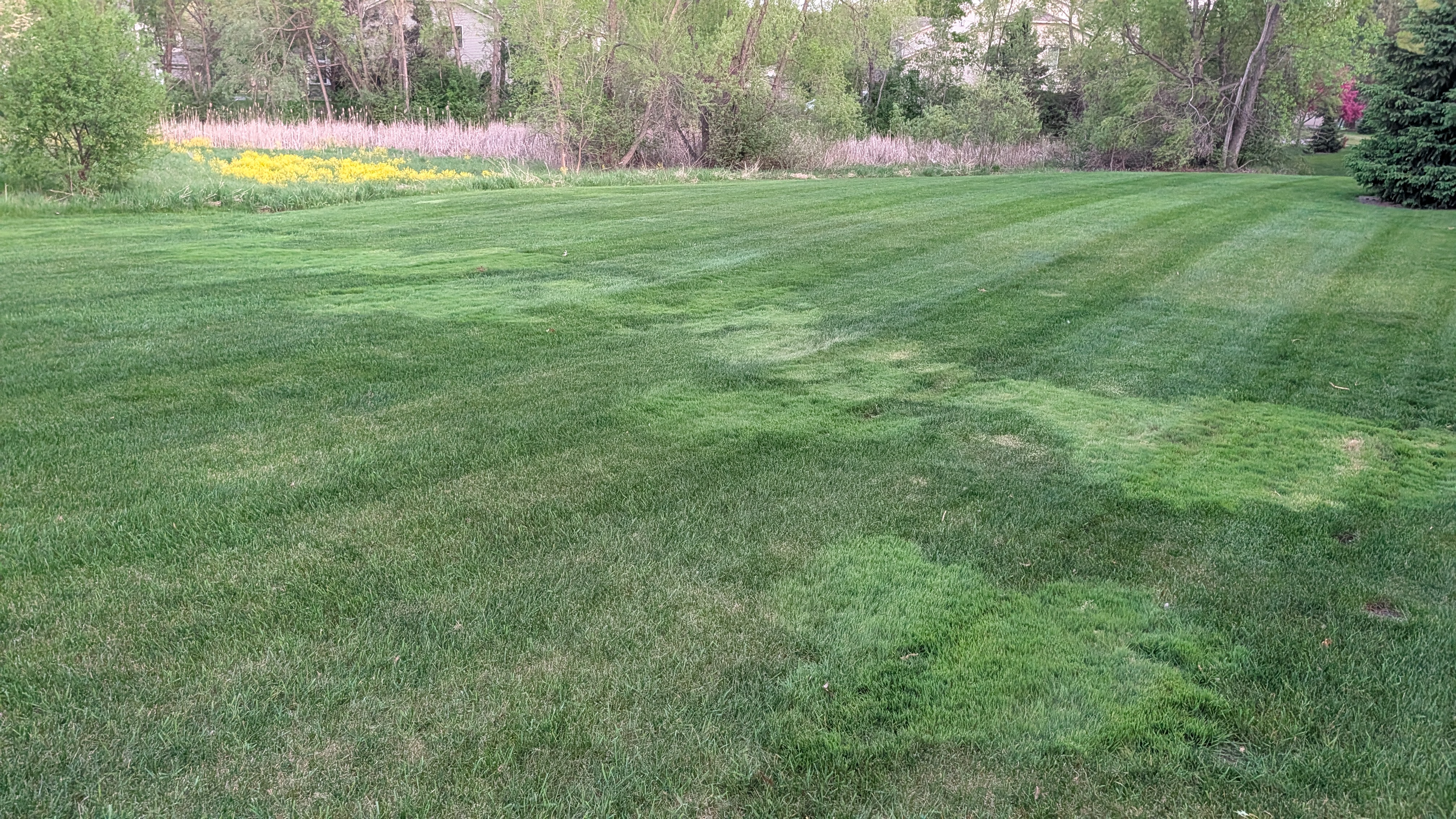
The large brown patches are creeping bentgrass, considered a weed in lawns. But it is right at home on golf courses, where it is maintained at lower cut heights.
With cooler temperatures and adequate moisture, you can find creeping bentgrass easily, as it has a lighter, bluish-green leaf color. It spreads by stolons above ground and forms patches as it crowds out other turfgrasses in a lawn.
Creeping bentgrass forms a thatch mat as it grows and is not as drought-tolerant as most lawn grasses. It is most often found in low-lying areas or ditches but can also indicate overwatering if found elsewhere.
Mesotrione is a selective herbicide that can safely remove creeping bentgrass in lawns, but it typically is easier to kill the whole area and replant. A taller mowing height and allowing the lawn to dry down between watering events are the best defense for creeping bentgrass encroachment.
Learn more about yard and garden
Contacts | News | Events | YouTube | Podcast
The University of Minnesota Extension yard and garden team uses research-based education to ensure beautiful and bountiful gardens that are environmentally sustainable. We educate the public about landscape design and plant selection, integrated pest management, and gardening best practices.
Permission is granted to news media to republish our news articles with credit to University of Minnesota Extension. Images also may be republished. Check for specific photographer credits or limited use restrictions in the photo title.
