
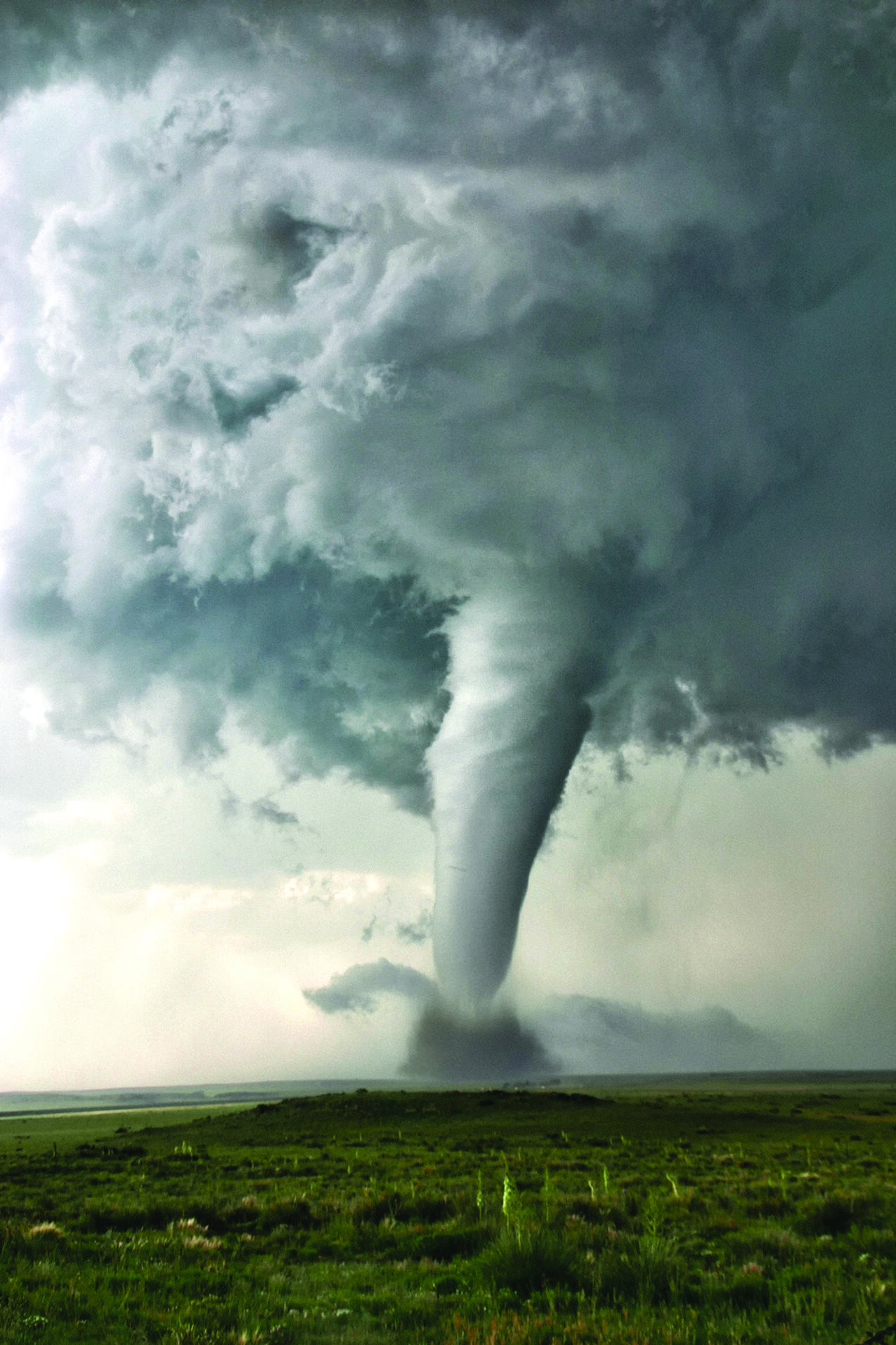
8 myths about tornadoes
More than a thousand tornadoes form in any given year across North America. The strong winds and powerful rains of tornadoes can decimate affected areas in a matter of minutes, reducing buildings to rubble, uprooting trees and causing widespread flooding. It is important to know what to do should a tornado strike. Unfortunately, myths abound in regard to tornadoes. To set the record straight, here are eight tornado myths debunked thanks to The National Weather Service, Norfolk & Dedham Mutual Fire Insurance Company, Geico, and Missouri Storm Aware.
MYTH: Outdoors, I should seek shelter from a tornado under an overpass.
FACT: Stopping under a bridge or another raised structure to shelter from a tornado is a bad idea. Flying debris can be forced into the spaces between bridge and grade and impale people. The bridge itself may fall or rip apart. Also, it's often impossible for people to grip onto girders if they exist, so they may be blown loose into the open. A low-lying valley or ditch is a safer place to ride out a tornado than beneath an underpass.
MYTH: Tornadoes can't cross bodies of water.
FACT: Tornadoes can form on land and easily cross lakes, rivers and other bodies of water. Tornadoes also can form on water.
MYTH: Tornadoes don't strike the same area twice.
FACT: Tornadoes absolutely can strike an area multiple times. In fact, the town of Cordell, Kansas, was hit by tornadoes three years in a row on May 20.
MYTH: I can outrun a tornado in my car.
FACT: Drivers may be able to avoid a visible tornado by driving away from it at a 90-degree angle relative to its path if it is a great distance away. However, a person should never leave the protection of a sturdy building to try to escape in a vehicle.
MYTH: I should open windows during a tornado to reduce damage by balancing the pressure inside and outside the structure.
FACT: Even with the most violent tornadoes, most home frames can withstand the sudden difference in pressure with closed windows. Opening windows will allow rain and wind to enter a home, plus it wastes time and puts homeowners at risk of exposure to flying glass.
MYTH: Tornadoes always can be seen.
FACT: Sometimes tornadoes can be obscured or even invisible due to nearby clouds or rain.
MYTH: You only have to worry about tornadoes during tornado season.
FACT: A tornado can occur just about any time of the year, and not just during spring. They also can happen all over the country and not just in "Tornado Alley."
MYTH: The tornado itself is the most deadly aspect of the storm.
FACT: Flying debris poses the biggest threat when a tornado strikes.
MYTH: Mobile homes attract tornadoes.
FACT: Mobile homes do not attract tornadoes, but they are much more susceptible to damage than sturdier houses and office buildings.
Tornadoes are serious storms that require fast action. Knowing fact from fiction can keep people safe during these storms.
