
Master Gardener volunteer brings the outdoors to indoor memory care
Editor’s note: This article was published with permission from the author and University of Minnesota Extension
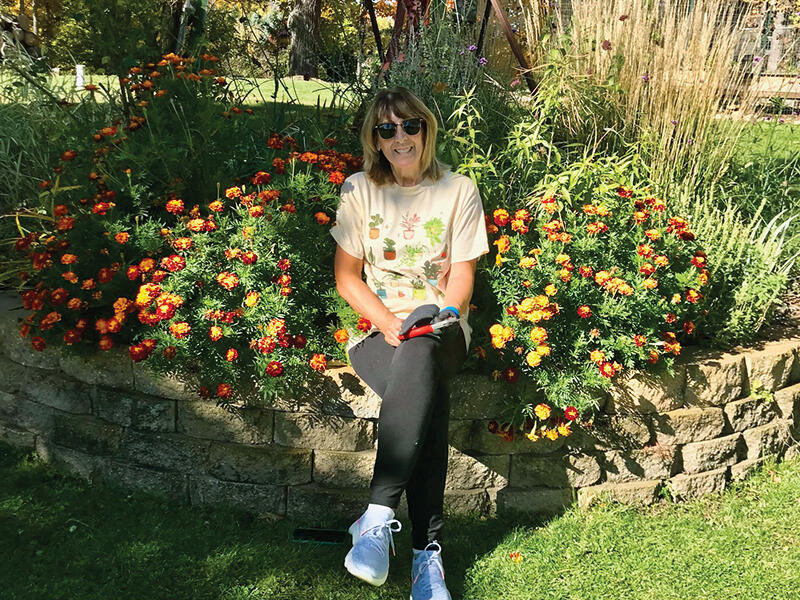
After dedicating years to supporting others in the workplace, Mary Pettit found herself drawn to a program that would allow her to continue nurturing people in retirement, while embracing her love of nature and the outdoors: becoming a U of M Extension Master Gardener volunteer.
“I knew I needed to fill my blank page,” Pettit explains. “I wanted to do something to keep my brain growing.”
Among the various community projects Pettit coordinates, one stands out for its profound impact: the Memory Café at the Crow River Senior Center in St. Michael. This monthly gathering brings together individuals with dementia and their caregivers for 90 minutes of connection, creativity, and respite.
Outside in
The program was sparked by a social worker who reached out to Master Gardeners in Wright County. Mary, serving as volunteer coordinator, embraced the opportunity to research and develop the initiative alongside fellow gardeners.
Pettit’s first instinct was to bring residents outdoors to enjoy the beauty of nature, but she quickly found that a field trip could become overwhelming. In response, they created a nurturing environment where nature and gardening become bridges to long-term memories — all indoors.
Each session follows a thoughtful structure: introductions and name tags, themes connected to nature, and always music — sometimes live guitar, or recordings of nature-themed songs from their youth, such as “Yellow Bird.”
While the caregivers step away for their own support session, Pettit and her team engage participants in hands-on, garden-themed activities.
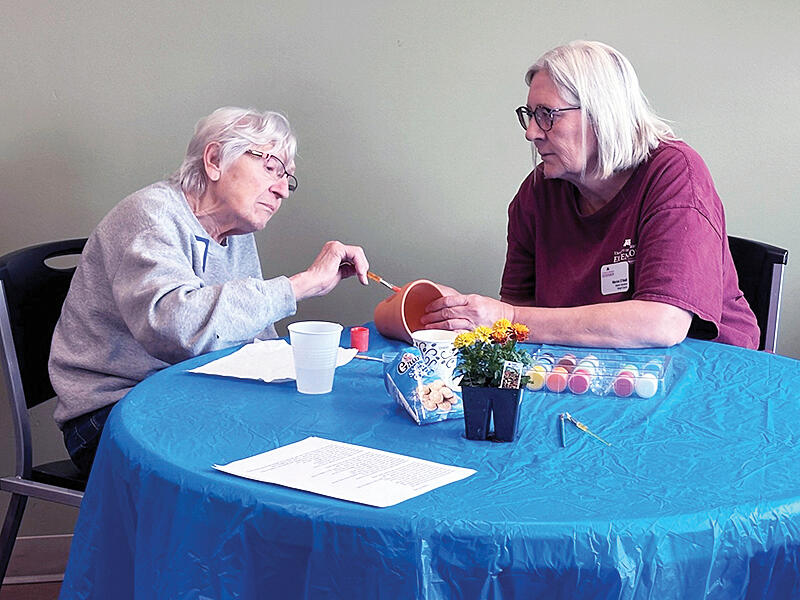
From painting clay pots and planting marigold seeds to creating bird feeders with peanut butter, the projects bring the outdoors inside.
Master Gardeners share PowerPoints with vibrant images of birds and plants that spark conversation and memories.
Each activity is adapted to the unique needs of those with Alzheimer’s.
Connecting the past with the present
The impact manifests in powerful moments. Mary sees Jerry, a veteran who opened up during a Fourth of July theme, sharing stories of his service. She observes participants who initially seem disconnected becoming absorbed in painting, their focus and pride evident in their expressions. She witnesses the same couples returning month after month, a testament to the program’s value.
Mary recalls one particularly stressed caregiver who approached the team. “He asked us excitedly if we could do it again. It’s so impactful. I know it made a difference to him.”
Through trial and error, research and collaboration, Pettit and her fellow Master Gardeners have cultivated a space where those with dementia can connect with their past, experience joy in the present, and create something they’re proud of.
“As you age, if you live quietly, you lose out,” Mary explains. “Getting out in public, socializing, is important. Even if it’s not easy, it’s beneficial for all of us.” Her message resonates with conviction born from experience: “Don’t give up on the elderly and aging. Don’t think that you can’t have a positive impact on them, because you can.”
“Even though they may have some impairment or memory loss, they still have long-term memory,” Pettit observes. “It’s very healthy for them to tap into what was so meaningful to them and talk openly about the past – their kids, being in service, gardening. So many of them had gardens.”
For Pettit, the Memory Café embodies what being an Extension Master Gardener truly means: not just tending to plants, but nurturing people and communities, too.
Pettit’s top tips for a memory-friendly nature project:
•Know your audience: Find out what special hobbies, careers or roles were important to the person in their earlier life. This information can serve as an effective guide for creating activities that deeply connect with their memories.
•Plan activities you know they can do: Whether in a smaller, personal project or larger collaboration, design simple, achievable tasks that provide gentle engagement and contribute to the final outcome.
•Be flexible: Be ready to adapt activities based on participants’ shifting needs and preferences from hour to hour or day to day.
•Encourage active communication and participation: Discussing a project, reflecting and listening can be just as valuable as completing the hands-on project.
•Support, but encourage independence: Help the participants achieve their goals, while preserving their sense of self-worth, autonomy, and dignity.
