
Mounds of trouble: controlling pocket gophers in yards and gardens
UNIVERSITY OF MINNESOTA EXTENSION - www.extension.umn.edu
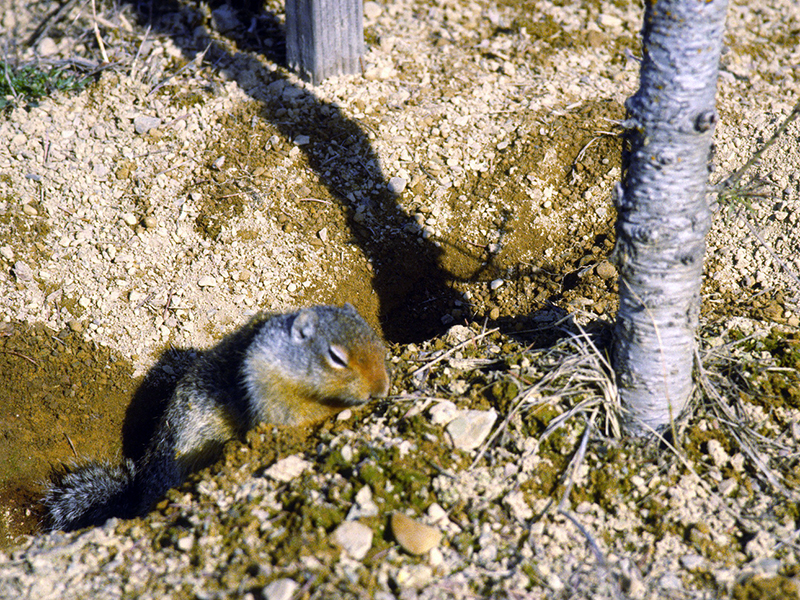
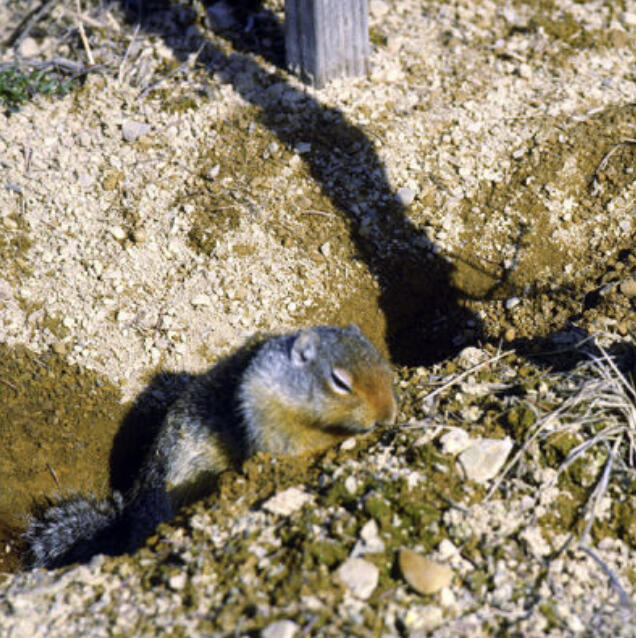
A pocket gopher looking for a place to dig. Photo: USDA Forest Service - Coeur d'Alene Field Office, Bugwood.org
If you’ve noticed fresh mounds, wilting plants, or collapsing turf, you may be dealing with one of Minnesota’s most persistent underground pests, pocket gophers.
Reports from homeowners across Minnesota suggest gopher activity has been higher than usual this year, likely influenced by extended drought, warmer-than-average temperatures, and a decreased food supply. These factors cause gophers to expand their tunnel systems more aggressively, which leads to increased damage.
Effective control requires understanding their seasonal activity, applying evidence-based measures, and knowing when to hire a professional.
Identify the culprit

Pocket gopher mounds. Photo: USDA Forest Service - Northeastern Area, USDA Forest Service, Bugwood.org
Pocket gophers create fan-shaped or crescent-shaped mounds with a plugged entrance off to one side. Moles, by contrast, leave symmetrical volcano-shaped mounds.
When are pocket gophers most active?
Pocket gopher activity follows clear seasonal patterns:
- Spring (March–May): Peak mound formation in moist soil. Fresh mounds may appear daily, making this the best time to trap.
- Summer (June–August): In drought or heat, gophers retreat deeper underground, often beyond 24 inches, making trapping less successful.
- Fall (September–October): A second peak of activity as soil softens, another prime trapping window.
- Winter: Activity slows but continues below frost depth in unfrozen soils.
Begin control measures within 48 hours of new mound formation, as gophers revisit feeding tunnels every 1 to 3 days. Waiting more than 72 hours reduces success by up to 40%.
Control measures

Pocket gopher hole. Photo: Gerald Holmes, Strawberry Center, Cal Poly San Luis Obispo, Bugwood.org
Trapping is the most reliable method. Probe for the main tunnel 8 to 12 inches from the mound’s plug, set two traps facing opposite directions, cover the opening, and check daily.
Baiting can work but poses risks to pets and wildlife. Effectiveness depends on soil moisture and tunnel accessibility.
Exclusion with hardware cloth buried 18 to 24 inches, raised beds lined with mesh, or root-guard baskets can protect plants but do not reduce pocket gopher populations.
When to hire a professional
Professional wildlife control is often the best option when multiple mounds appear, DIY trapping fails, or reinvasion is constant. Professionals use advanced probing techniques, place traps precisely, and monitor activity over several visits.
Find more guidance on managing pocket gophers from Iowa State University Extension.
More from Extension Yard and Garden
