

How to spot and stop late summer garden pests
UNIVERSITY OF MINNESOTA EXTENSION - www.extension.umn.edu
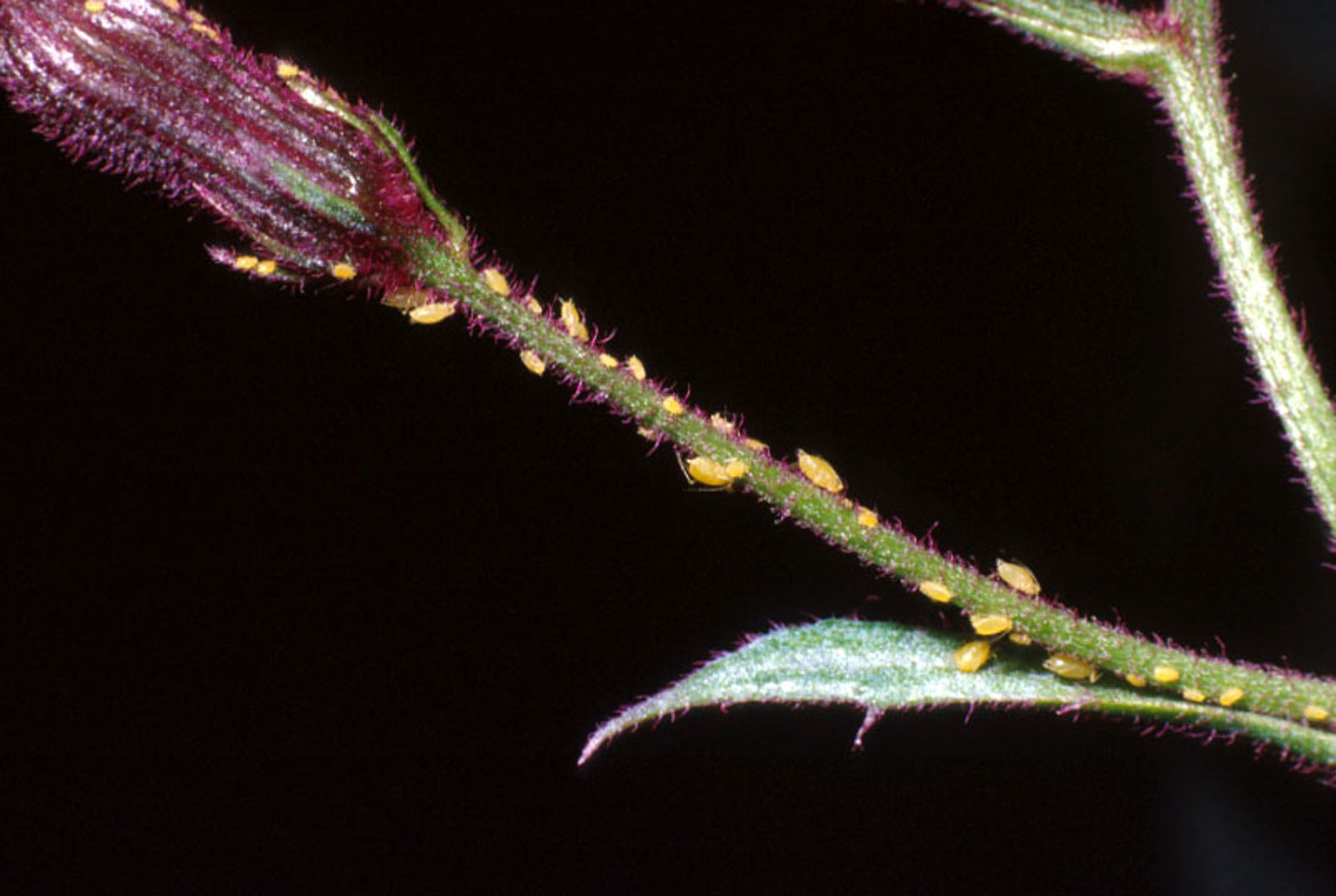
Aphids on a plant stem
By mid‑August, Minnesota gardens are in full swing, and so are the pests that thrive in warm, dry weather. Aphids, thrips, Japanese beetles, spider mites, and lawn grubs can all leave their mark, turning healthy plants into curled, speckled, or chewed‑up patches.
Catching problems early and responding quickly helps keep flowers, vegetables, shrubs, and turf growing strong into fall.
Aphids
- Identification: Small, soft‑bodied insects in shades of green, yellow, black, or red. They cluster on stems and leaf undersides, leaving sticky honeydew that can lead to sooty mold.
- Damage: Curling leaves, slowed growth, and overall plant stress.
- Treatment: Spray plants with a firm stream of water, encourage lady beetles, or use insecticidal soap or neem oil.
Thrips
- Identification: Slender tan or black insects that scrape plant tissue. Silvery streaks, speckled leaves, and tiny black droppings are common signs.
- Damage: Misshapen blooms, reduced flower quality, and weakened vegetable plants.
- Treatment: Remove affected plant parts, apply insecticidal soap or spinosad, and monitor with sticky traps.
Spider mites
- Identification: Tiny red or tan mites hiding on leaf undersides. Fine webbing and stippled, yellowing foliage often appear during hot, dry stretches.
- Damage: Speckled leaves, early leaf drop, and gradual plant decline.
- Treatment: Rinse foliage well, raise humidity around plants, and use insecticidal soap or horticultural oil. Broad insecticides can worsen mite issues by removing natural predators.
Japanese beetles
- Identification: Metallic green beetles with copper wings, often clustered on roses, grapes, linden trees, and zinnias.
- Damage: Skeletonized leaves and chewed blossoms.
- Treatment: Hand‑pick beetles into soapy water, skip baited traps, use row covers, and consider beneficial nematodes or milky spore for grub control.
Lawn grubs and wildlife
- Identification: White, C‑shaped larvae feeding on grass roots. More than 10–12 per square foot usually indicates a problem.
- Damage: Brown patches, turf that lifts easily, and digging from skunks or raccoons.
- Treatment: Apply beneficial nematodes or milky spore, water deeply afterward, and avoid insecticides that harm pollinators.
- Wildlife Management: Reduce grub numbers, secure garbage and compost, and use motion‑activated lights or sprinklers to discourage digging.
Late‑summer practices for healthy gardens
- Scout regularly: Walk your garden every few days to catch issues early.
- Encourage beneficial insects: Plant coneflowers, monarda, liatris, and other pollinator‑friendly blooms.
- Rotate treatments: Use a mix of cultural, mechanical, and biological controls.
- Stay resilient: Healthy soil, steady watering, and diverse plantings help gardens bounce back from stress.
Late summer always brings a bit of a balancing act: enjoying peak color while keeping pests from gaining ground. With steady observation and pollinator‑safe approaches, Minnesota gardeners can maintain strong, vibrant landscapes well into autumn.
Our yards are part of a larger ecosystem shaped by insects, wildlife, and shifting weather, and when gardeners stay alert, entire communities benefit from calmer, healthier outdoor spaces as the season winds down.
More from Extension Yard and Garden
- Gardening in Minnesota
- Caring for lawns and landscapes
- Yard and garden insects
- Yard and garden problems
