
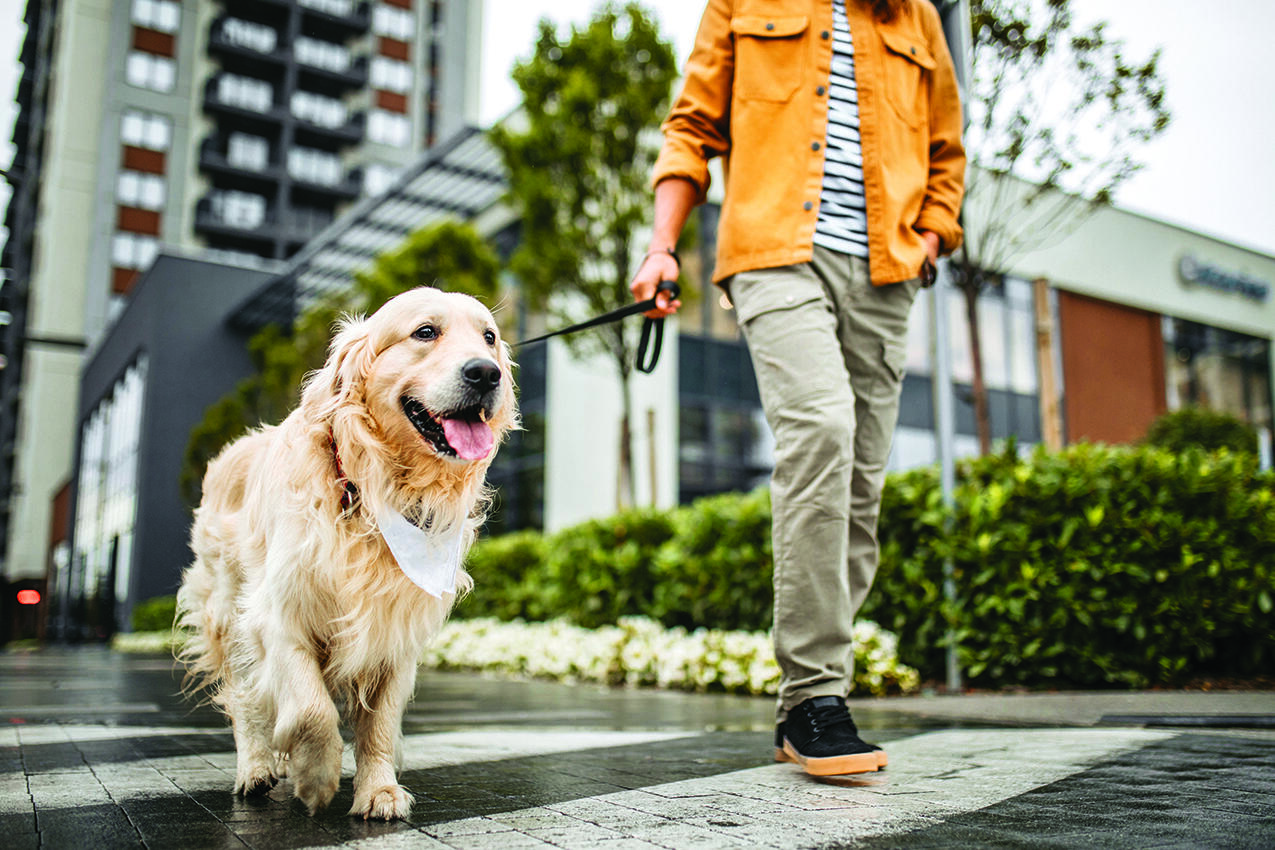
What to know about walking certain breeds of dog
Walks are a useful and effective way for dog owners to help their dogs stay healthy and physically fit. But no two dogs are the same, so a walk that's beneficial for one breed of dog may jeopardize the health of a different breed. The American Veterinary Medical Association also notes that changing conditions, such as weather, should affect the duration and timing of walks with a dog. With the safety and health of dogs in mind, dog owners can consider these tips for walking dogs, courtesy of the AVMA.
· Be especially careful with brachycephalic dogs. Brachycephalic dogs are those breeds with short noses. Some notable examples of brachycephalic dog breeds include Boston terriers, bullmastiffs, chihuahuas, English bulldogs, French bulldogs, pugs, and shih-tzus. Brachycephalic dogs tend to have a more difficult time walking in hot weather, and the AVMA recommends dog owners stop frequently to allow these dogs to rest on hot days. Short walks also may be all these breeds can handle when temperatures spike. In addition, alter the walking schedule if you're accustomed to walking during midday, when temperatures tend to be especially hot in warm weather seasons. Walk in the early morning before the sun gets too high and/or evening when the sun has begun to set.
· Be careful when temperatures drop. Certain breeds may be vulnerable to cold weather as well. Small dogs, dogs that have short coats, dogs that lack body fat, and even some brachycephalic dogs may not fare well when temperatures drop. The AVMA notes that some dogs without long hair or body fat to protect them might get frostbite if cold weather walks go on too long. The short noses that are a hallmark of Brachycephalic dogs also can make it hard for these animals to regulate their body temperature, which can be dangerous in cold weather.
· Learn to spot the signs of struggle. Dogs exhibit some common symptoms when struggling with hot or cold temperatures during a walk. The AVMA notes that a dog exhibiting signs of heat stress may appear unexpectedly anxious or weak, be less responsive than usual to commands, pant heavily or frequently, or drool excessively. Dog owners also can check the dog's gums for discoloration, dryness or stickiness. Take any of these signs very seriously and get the dog indoors and even to a veterinarian immediately. Carry the animal home or to the vet's office, if necessary. The signs that something is awry in cold weather include shivering, weakness and/or diminished mental alertness. Muscle stiffness, shallow and slow breathing, and even collapse may be indicative of hypothermia, which requires immediate attention from a veterinarian. A dog that suddenly takes a wide-based stance also may be under duress.
· Know that weather isn't the only walking hazard. Where a dog is walked also can pose a safety and health hazard. Avoid areas under construction, areas with uneven ground, icy surfaces, areas where wildlife is known to roam, and surfaces where de-icing products have been spread.
Walking is great exercise for dogs. But dog owners must be mindful of weather and additional variables that can pose a safety risk and health hazard to dogs.
