
When good bugs bite: the minute pirate bug
UNIVERSITY OF MINNESOTA EXTENSION - www.extension.umn.edu
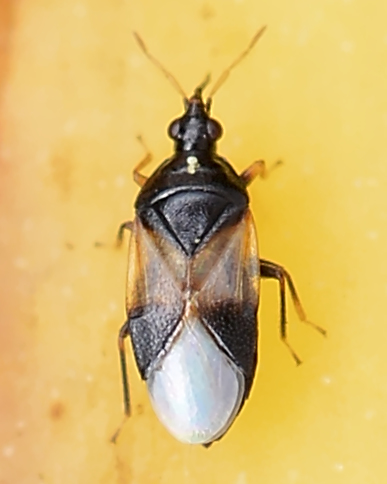
Adult minute pirate bug. Photo: Ryan Hodnett, CC BY-SA 4.0, Wikimedia Commons
If you’ve spent time outdoors this fall, you may be wondering what tiny pest has been leaving bites and making you itch. Chances are, you’ve encountered the minute pirate bug.
What are these biting bugs? Why are there so many this year? And what can be done about them?
Despite their fearsome name, minute pirate bugs are actually beneficial insects. At just 1/8 inch long, they spend the growing season feeding on aphids, mites, thrips, and other pests that damage gardens and crops. In many ways, they’re one of nature’s best pest-control agents.
Why are there so many this fall?
- Plenty of food this summer: High populations of aphids, thrips, mites, and other insects helped minute pirate bug populations grow.
- Abundant flowers: Goldenrod, asters, sunflowers, and other late-season blooms provided food and hunting grounds throughout the summer.
- Warm fall weather: Mild, sunny days have kept these insects active longer than usual.
- Fading flowers and drying crops: As prey becomes scarce, minute pirate bugs disperse to search for food and overwintering sites.
- More movement means more bites: During their fall migration, they’re more likely to encounter people and bite exposed skin.
The nuisance is temporary
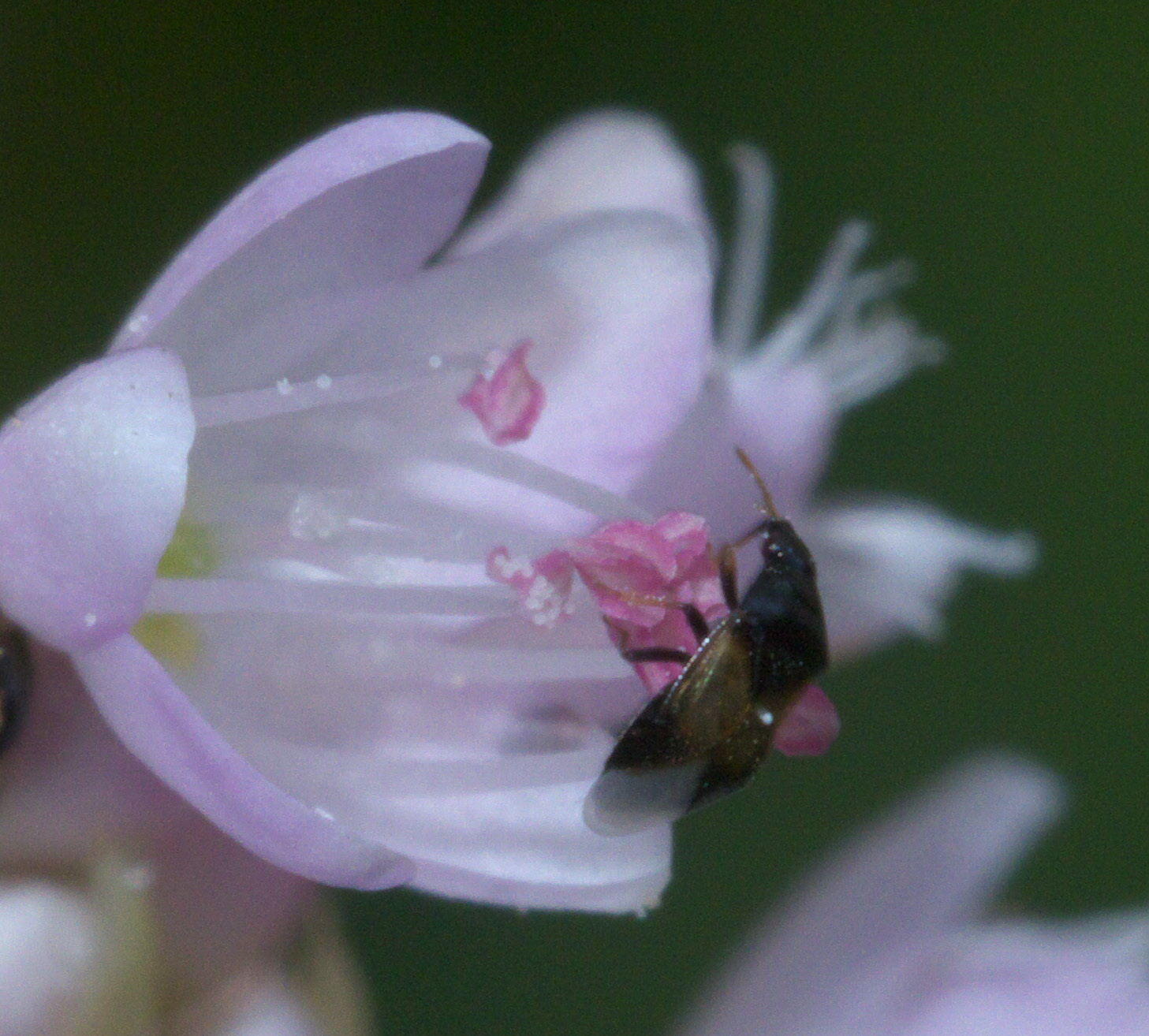
Adult minute pirate bug on a flower. Photo: xpda, CC BY-SA 4.0, Wikimedia Commons
Minute pirate bugs don't feed on blood, but they do have piercing mouth parts designed to capture prey. When they land on exposed skin, they may deliver a quick jab that feels surprisingly sharp for such a tiny insect. The bite is harmless, though it can leave small red bumps and cause mild itching.
Because minute pirate bugs are widespread, highly mobile, and beneficial, insecticides are neither effective nor recommended. Instead, try a few simple steps to reduce encounters:
- Wear long sleeves and pants when working outdoors.
- Choose darker-colored clothing, as light colors may attract them.
- Use insect repellents containing DEET or picaridin.
- Limit outdoor activities during warm, sunny afternoons when they are most active.
- Be patient. Their numbers will decline as temperatures cool.
The good news is that minute pirate bugs are only a temporary nuisance. Unlike mosquitoes, they do not feed on blood or transmit disease. While their bites can be annoying, they pose no threat to people and spend most of the year helping gardeners and farmers keep damaging insect populations in check.
So the next time you feel a tiny sting on a beautiful fall afternoon, remember that the offender is actually one of the good guys. Minute pirate bugs may test our patience in autumn, but their pest-fighting work throughout the growing season earns them a place among the garden’s most valuable allies.
