

Plants can add winter interest to your landscape
UNIVERSITY OF MINNESOTA EXTENSION - www.extension.umn.edu
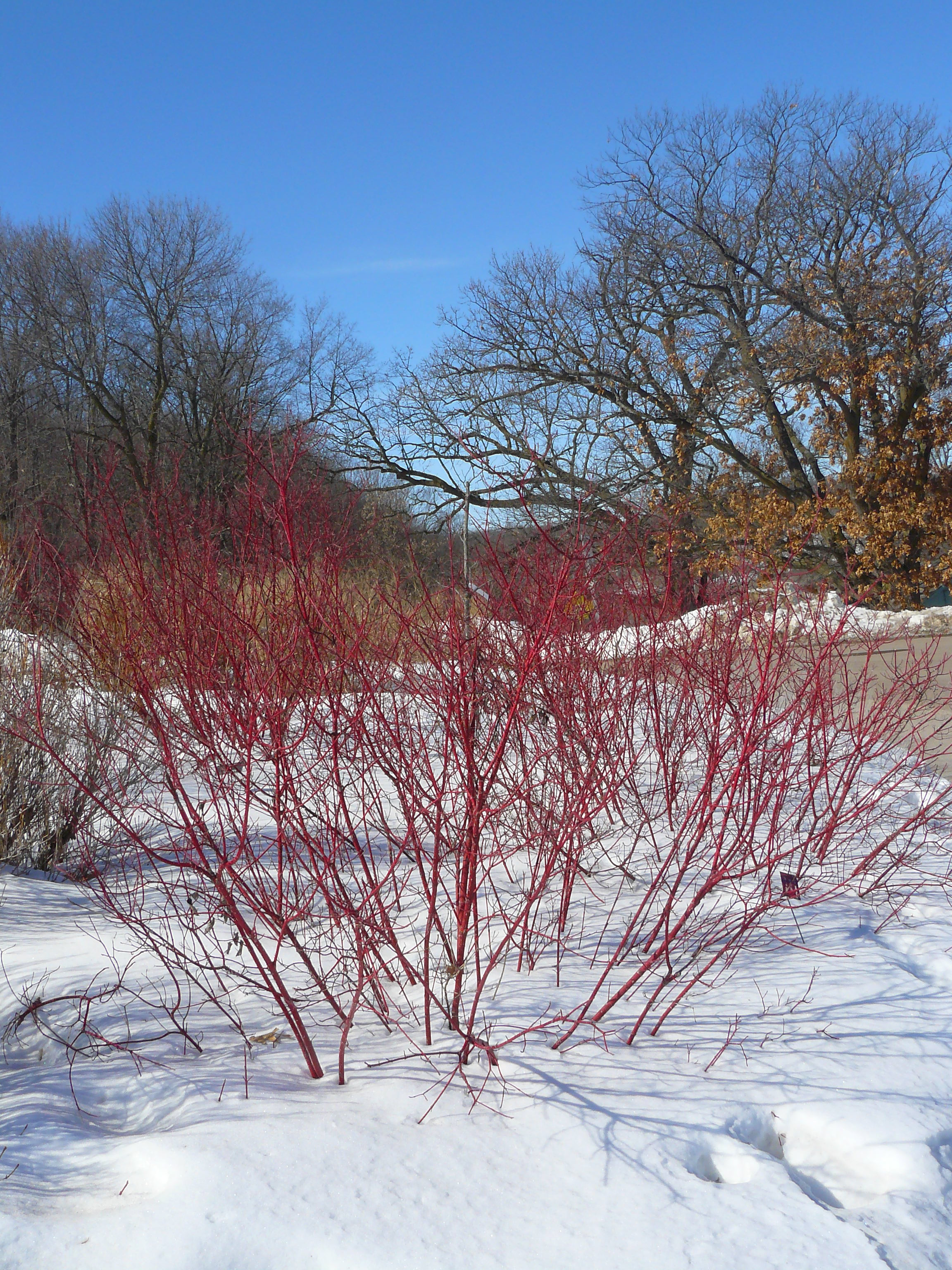
When selecting a new plant, consider how it will add interest to your winter landscape.
As you are perusing catalogs and websites and start to visit garden centers this spring, remember to consider what a plant can bring to your winter landscape.
Ask yourself (or the helpful garden center staff) “What will this plant look like when it’s not in full bloom or red with fall leaves?” Plants can add so much to our Minnesota yards and gardens and public spaces in winter.
This growing season, as you stroll the aisles of your favorite local nurseries and garden centers, this winter will be a memory. However, I encourage you to consider what a plant can bring to the landscape year-round. There’s always next year!
Consider these plant characteristics for winter interest when choosing plants for your landscape this season.
Bark, branch and stem color
Look for plants with interesting bark and colorful branches and stems. These also provide interesting texture.
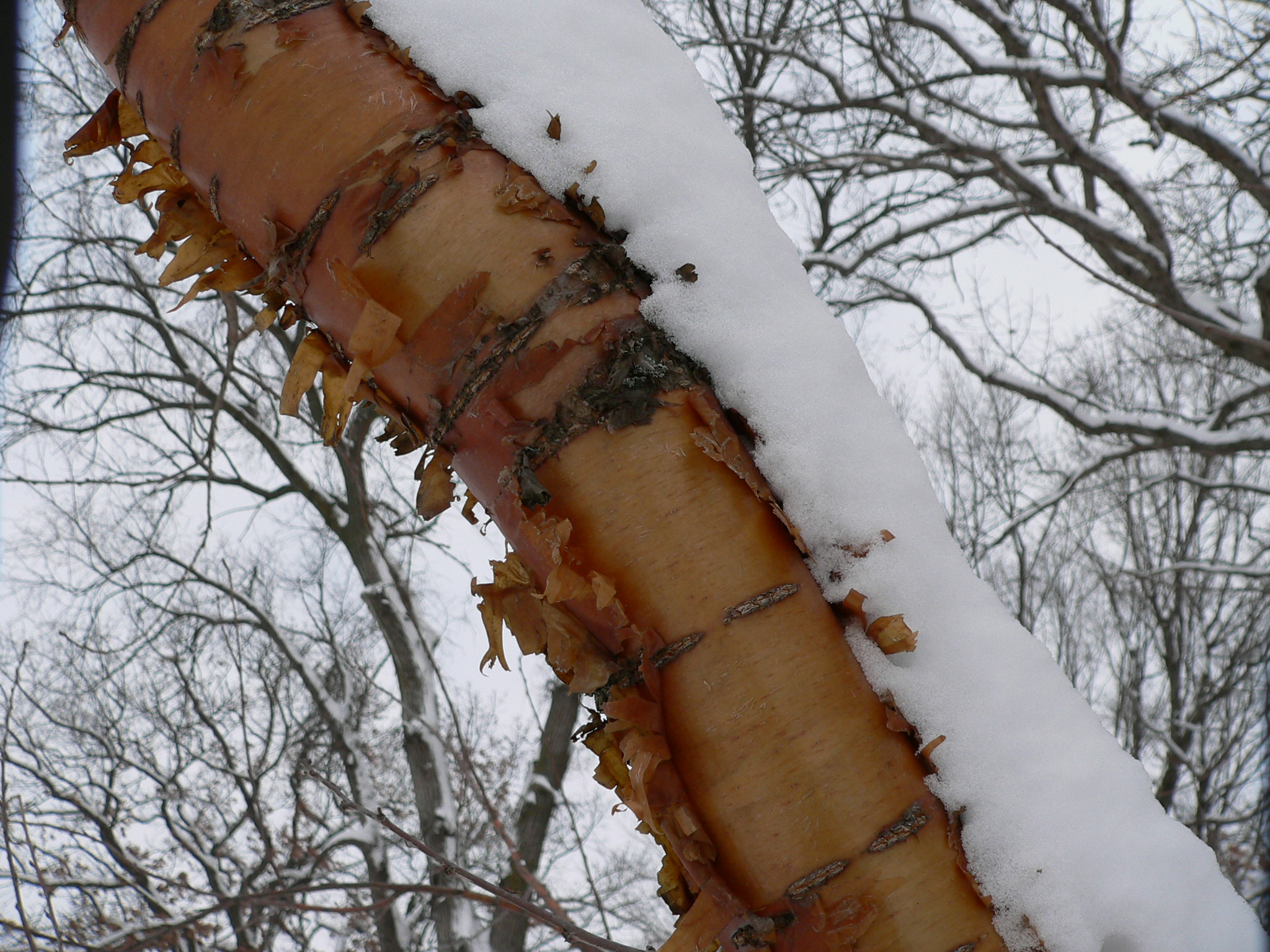
The copper, papery bark of amur chokecherry (Amur maackii)
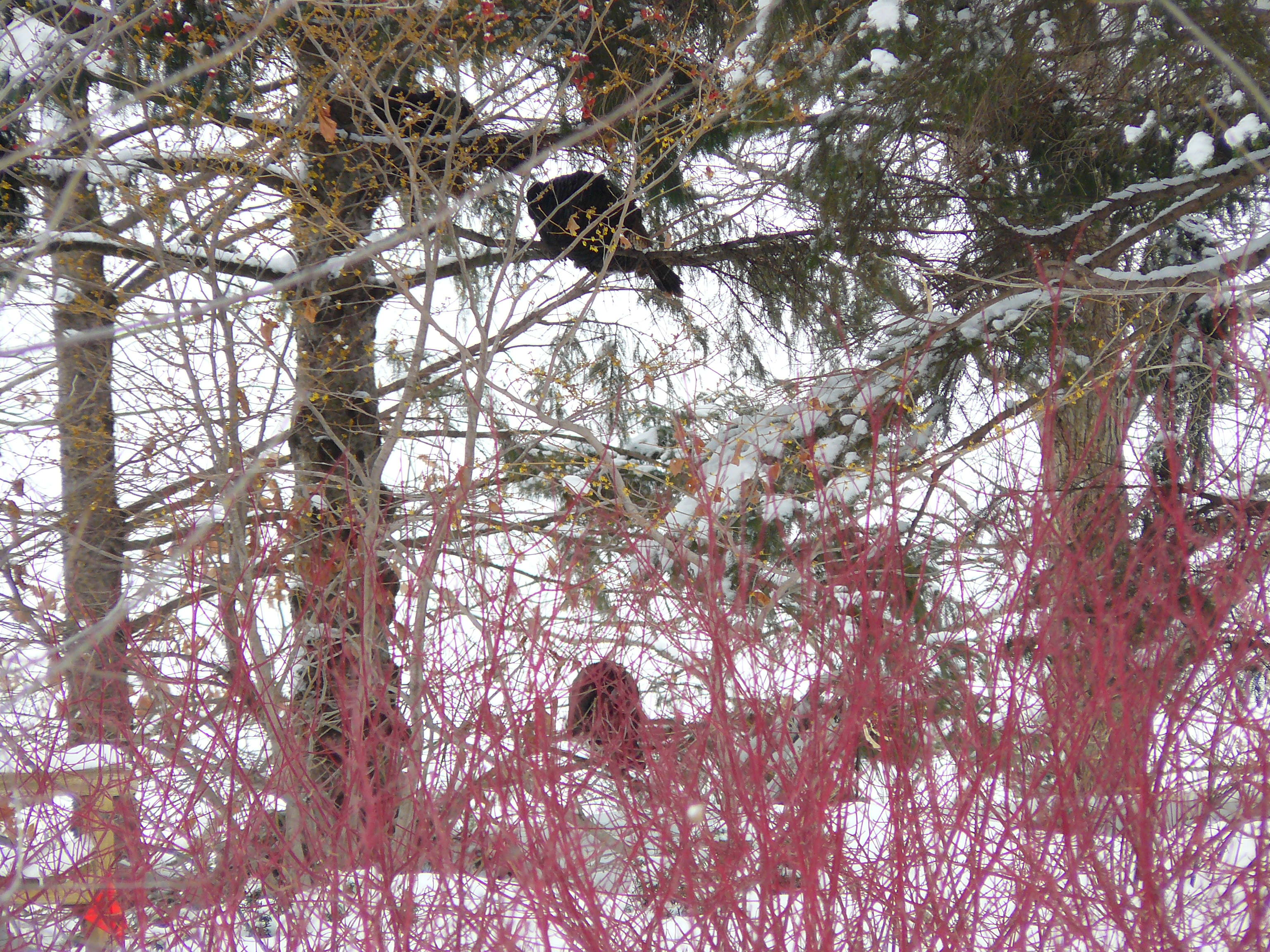
A winter favorite: the bright red stems of red twigged dogwood shrubs
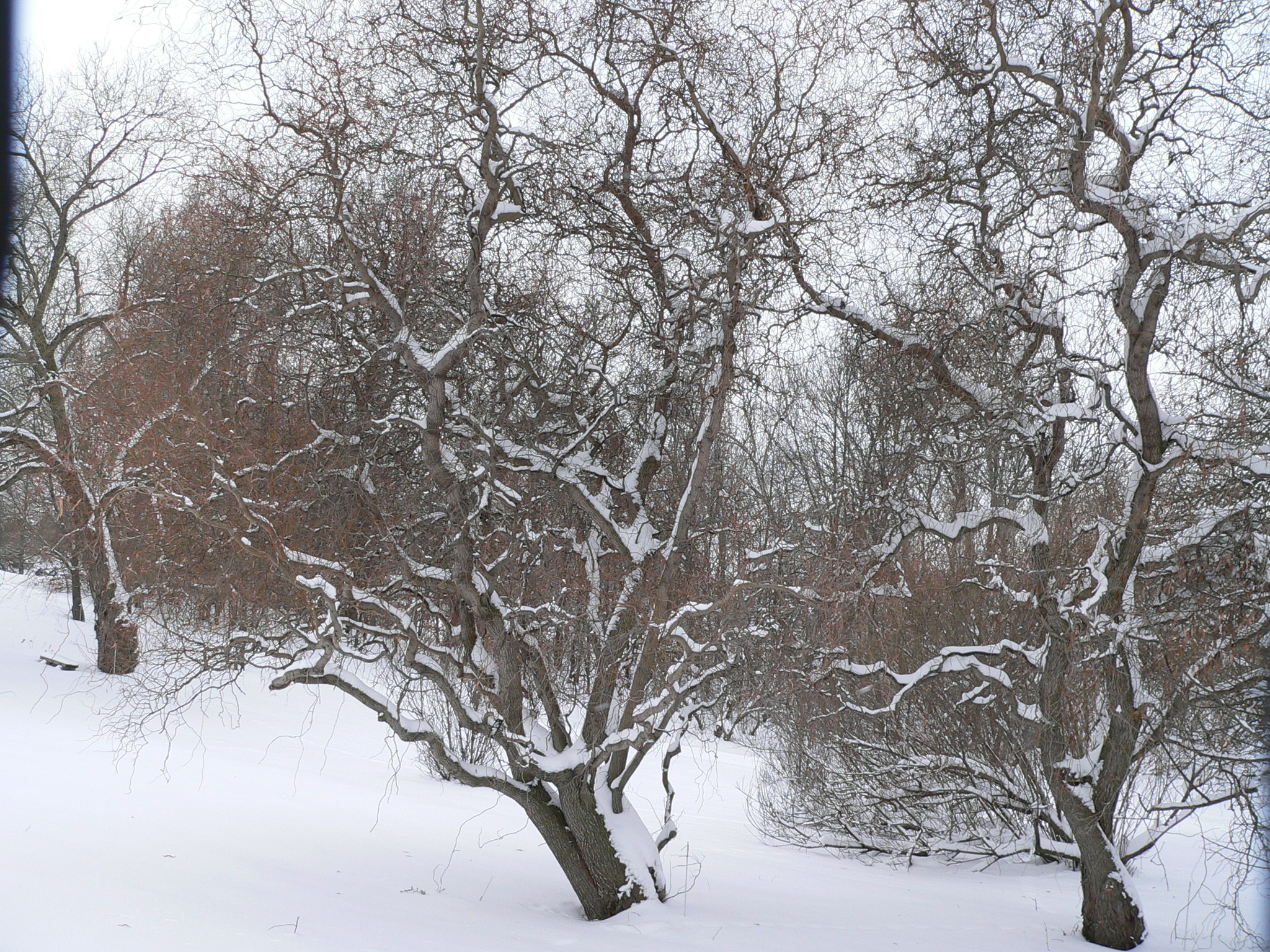
Consider the stem form too: Scarlet curls willow
Persistent fruit
Many plants hold onto their ornamental fruit through the winter. This fruit not only provides winter interest for us but also a food source for wildlife.
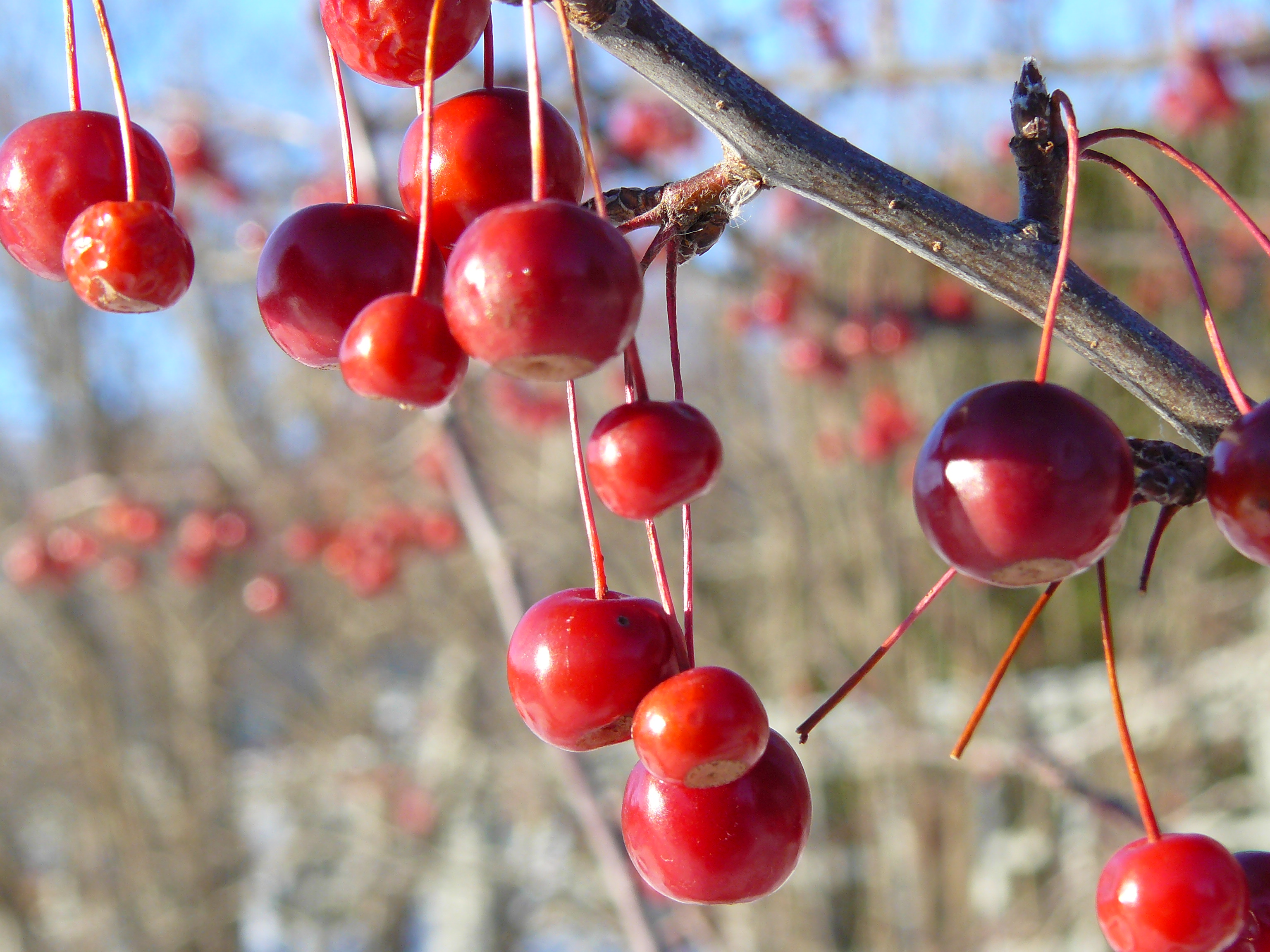
A favorite spring tree, some crabapples also hang onto their fruit, adding winter interest and a food source for wildlife
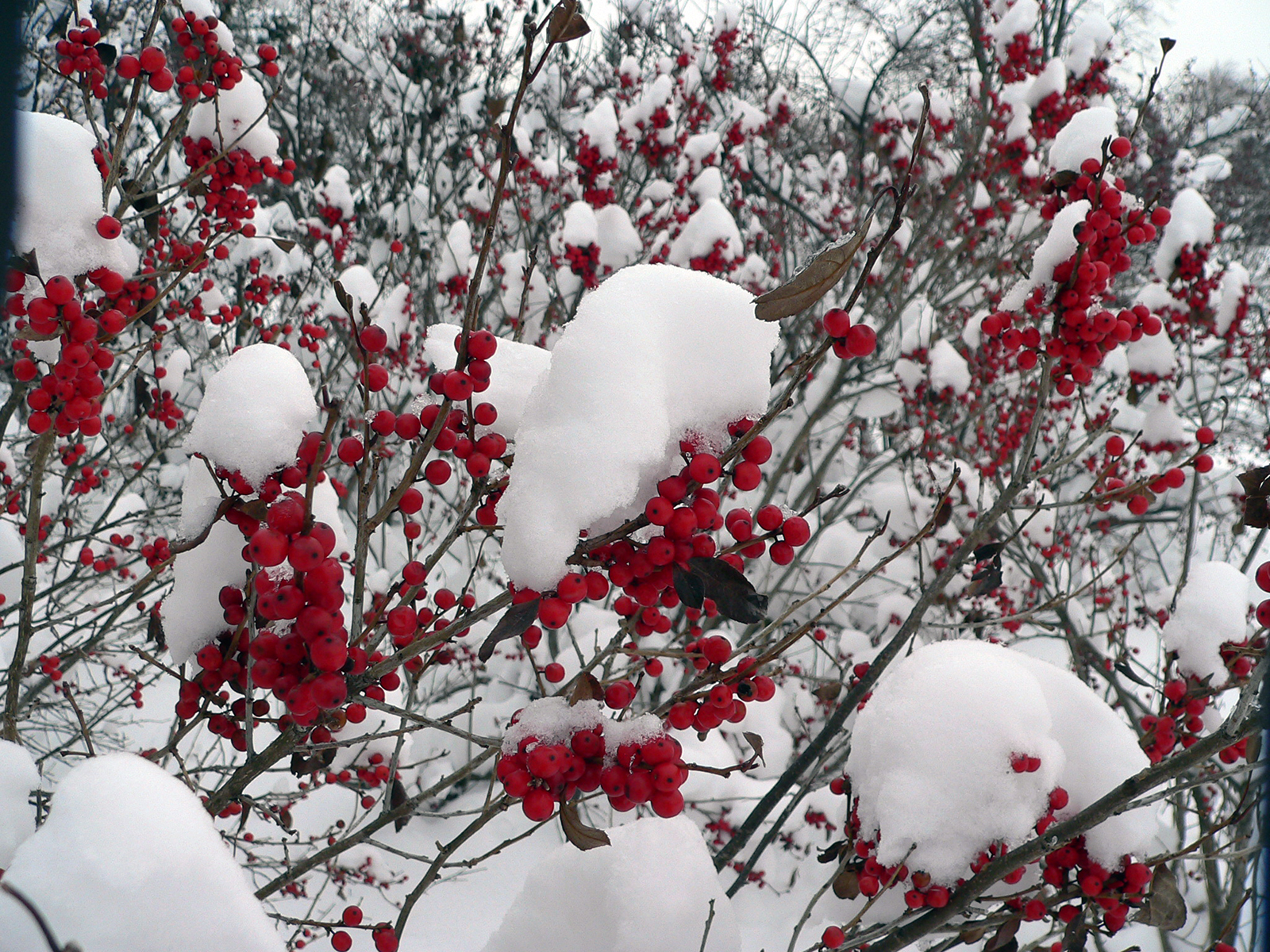
The female 'Afterglow' winterberry produces bright red berries. Remember to plant a male winterberry such as 'Jim Dandy' as a pollen source.
Plant form
With or without leaves, a plant’s form creates interesting patterns and shapes against the bright blue winter sky.
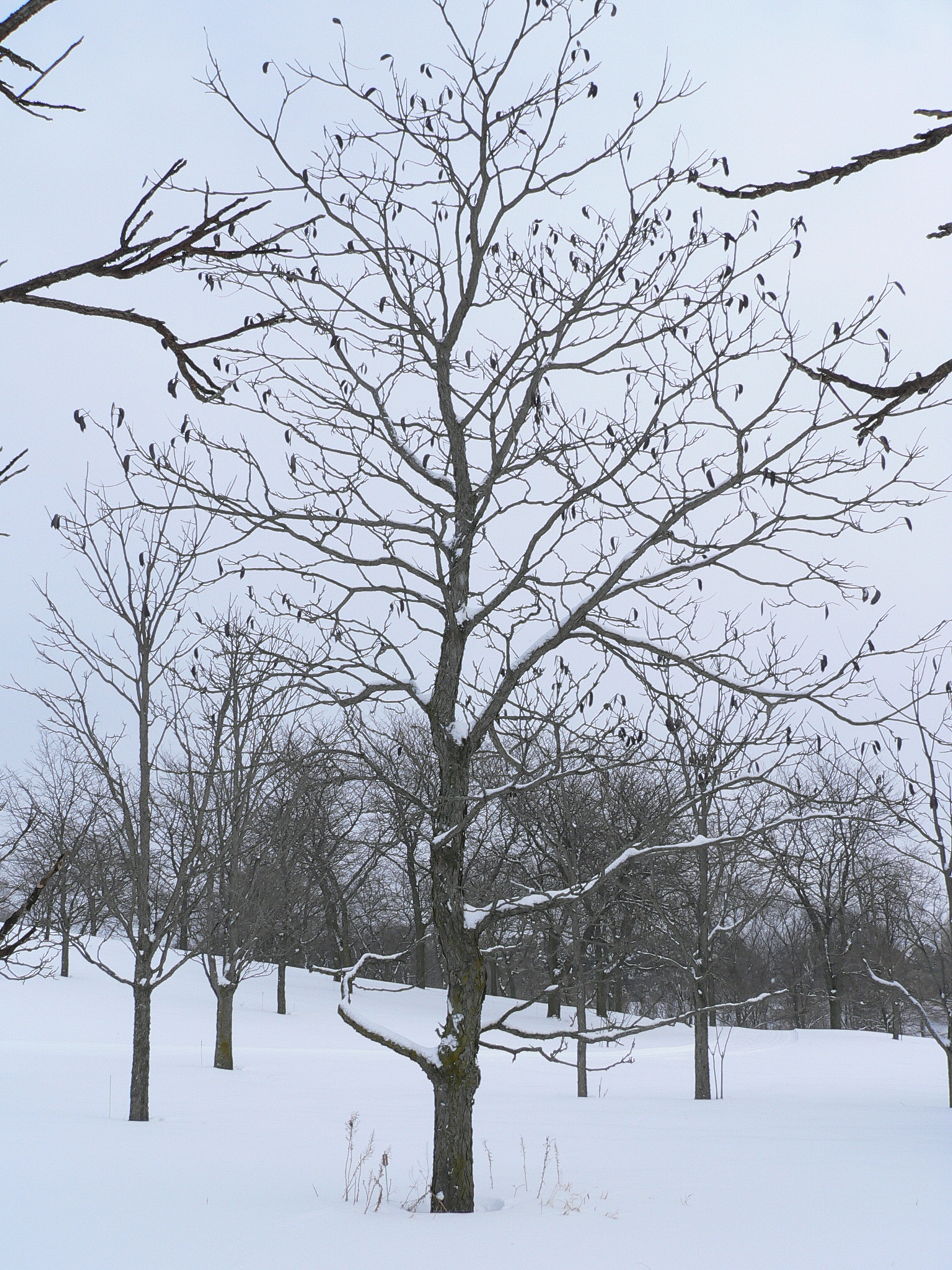
Kentucky coffee tree (Gymnocladus dioica) creates an open, upright branching pattern against the winter sky.
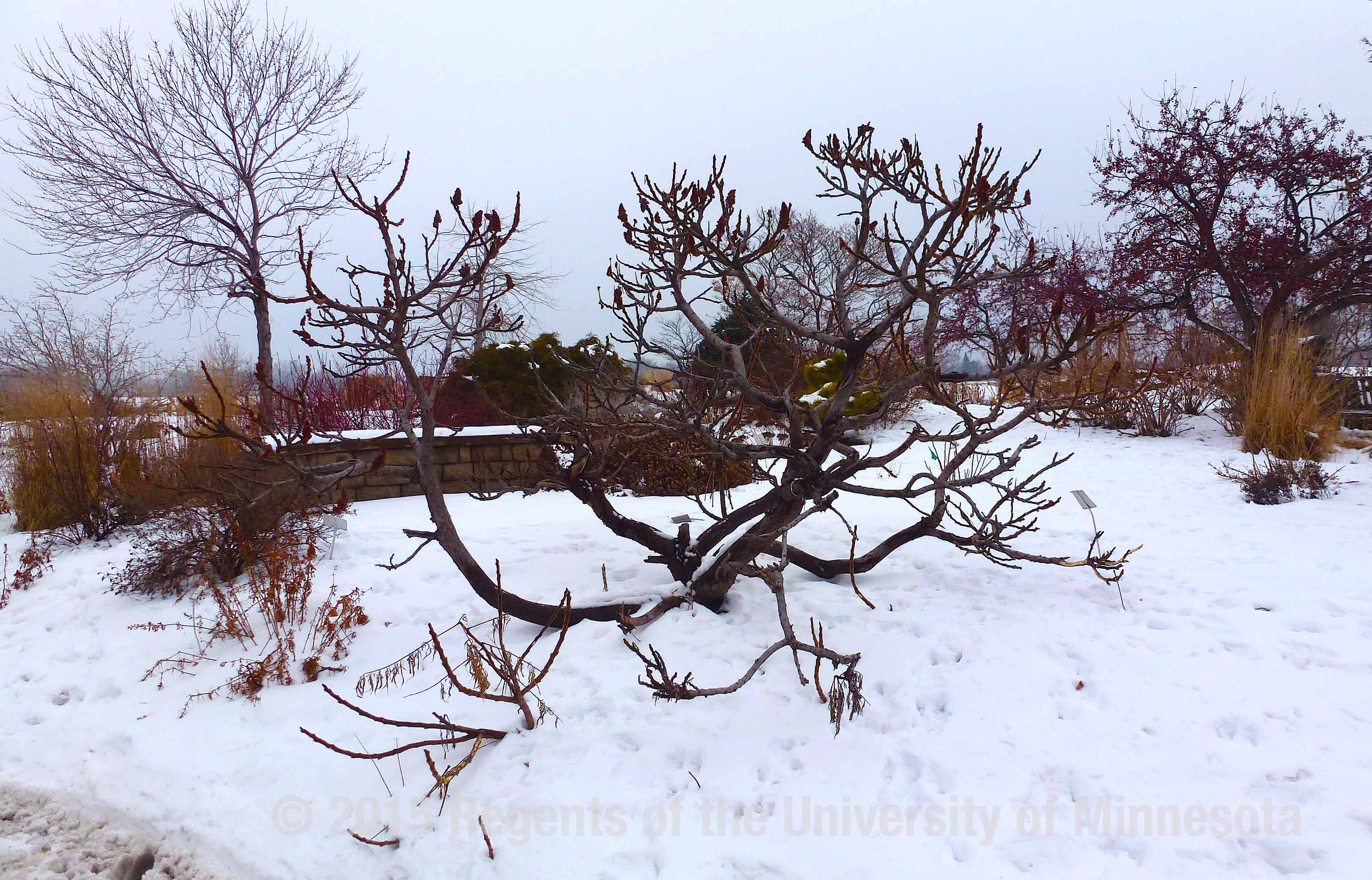
The open, twisted form of the Tiger eye sumac (Rhus typhina ‘Bailtiger’) makes a statement against the winter snow.
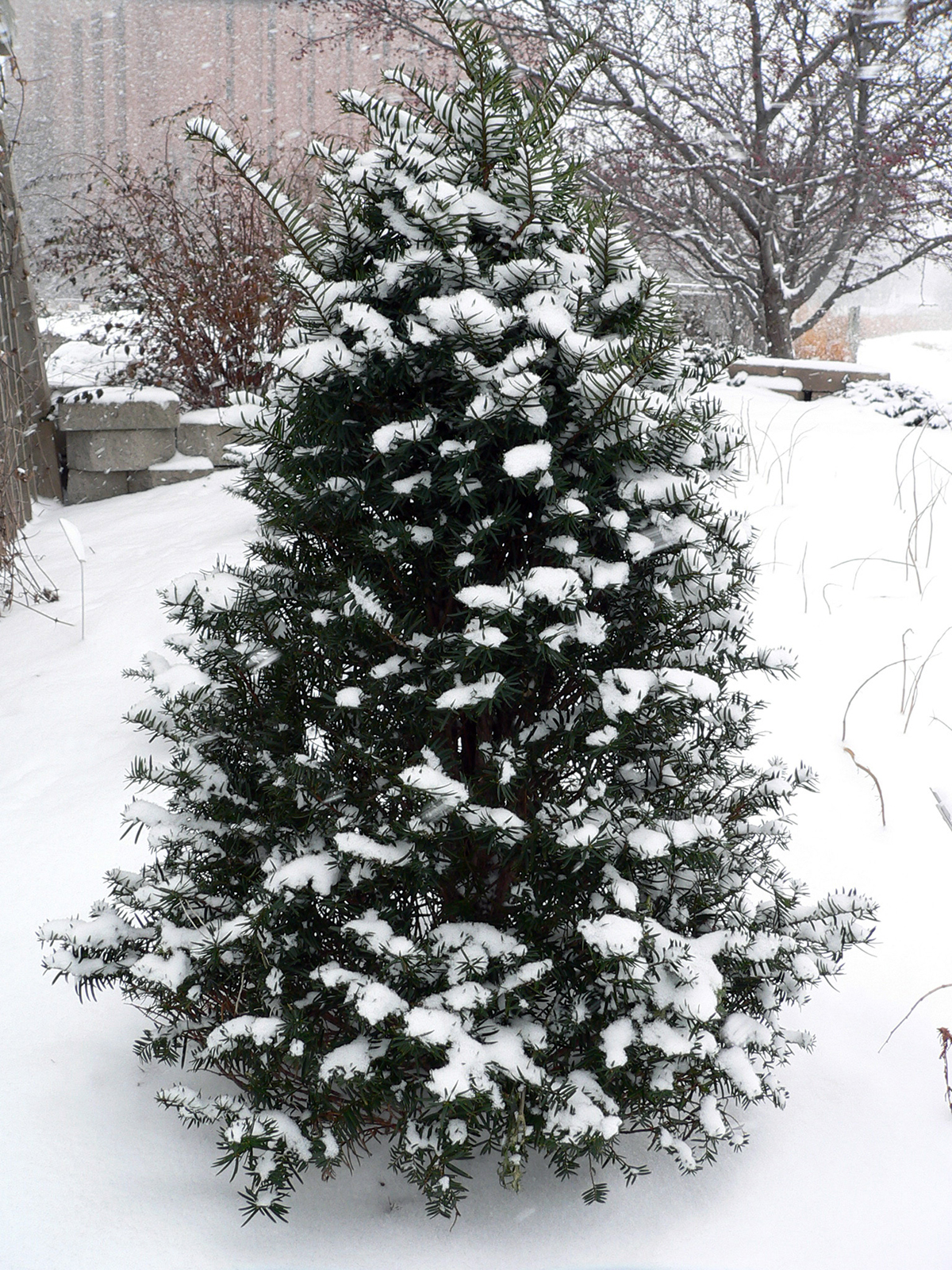
Like many evergreens, yews like ‘Capitata’ have a distinctive pyramidal form that stands out year-round and especially in winter.
Seed heads and cones
Wait till spring to cut back late summer flowers and seed heads. They provide interest and texture, but also food for overwintering birds. Cones are strong plant features. It’s amazing how cones vary from tree to tree.
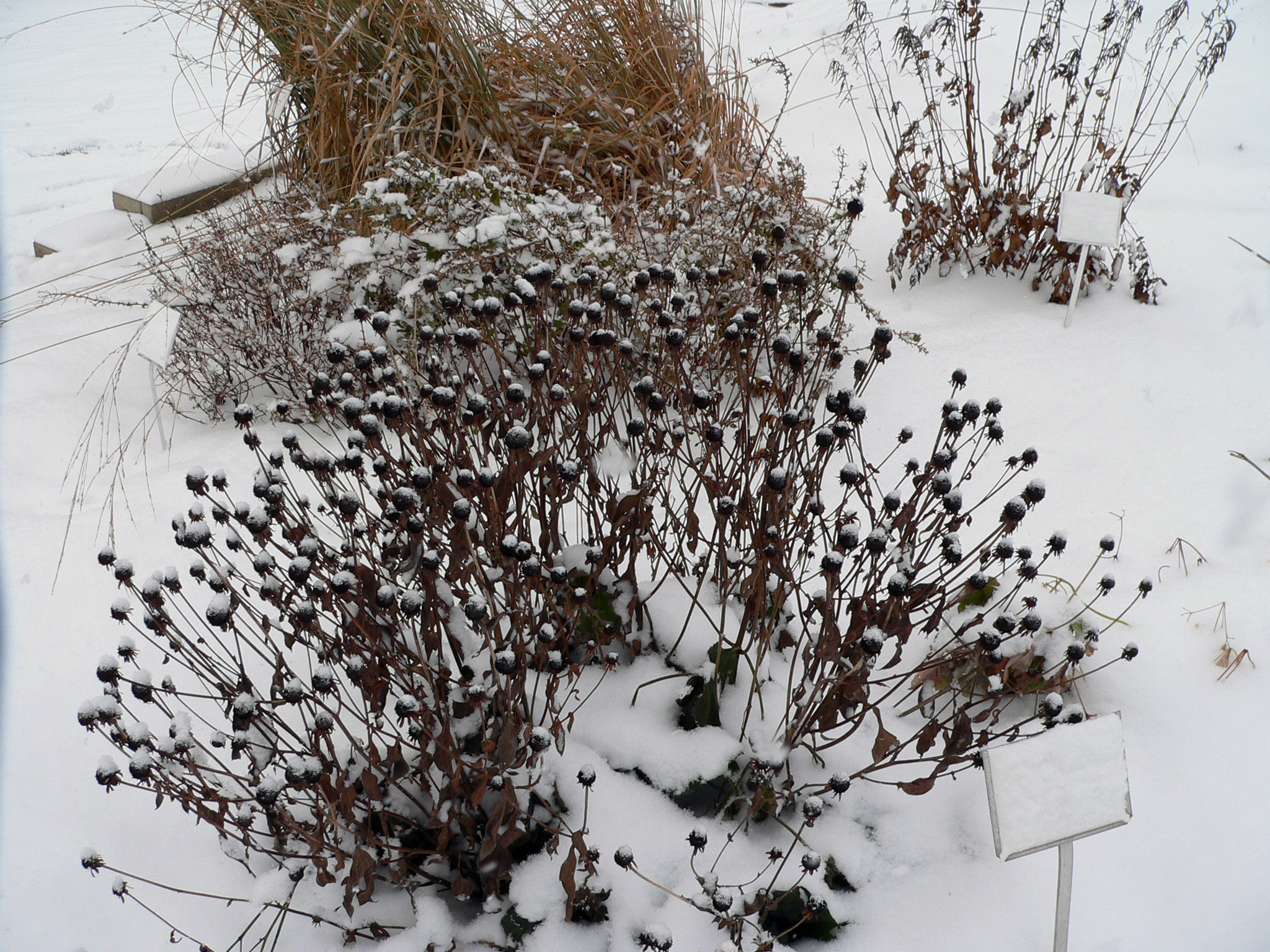
The spent flowers of rudbeckia provide winter interest and a food source for birds.
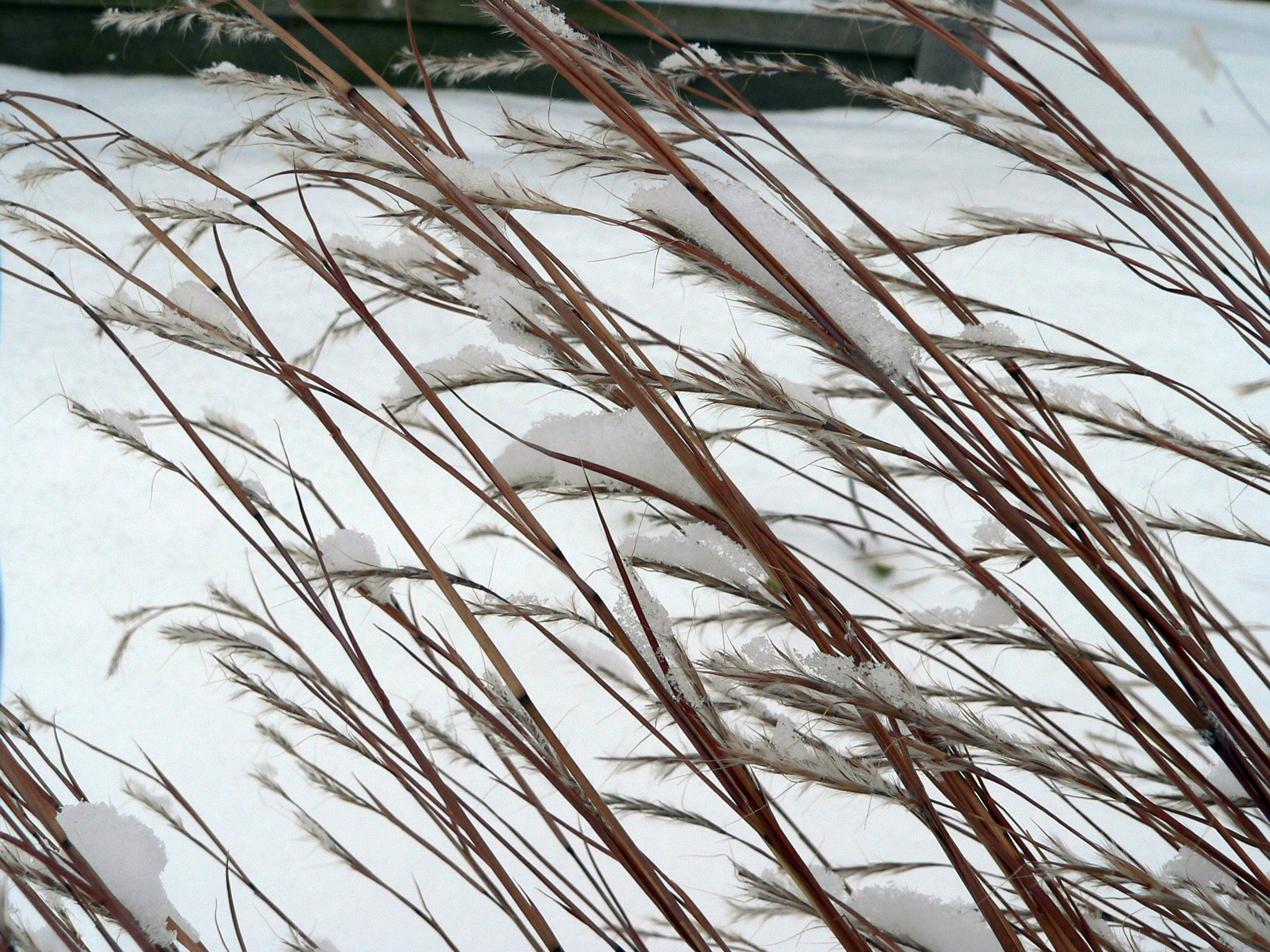
Ornamental grasses create a wow factor against the winter landscape.
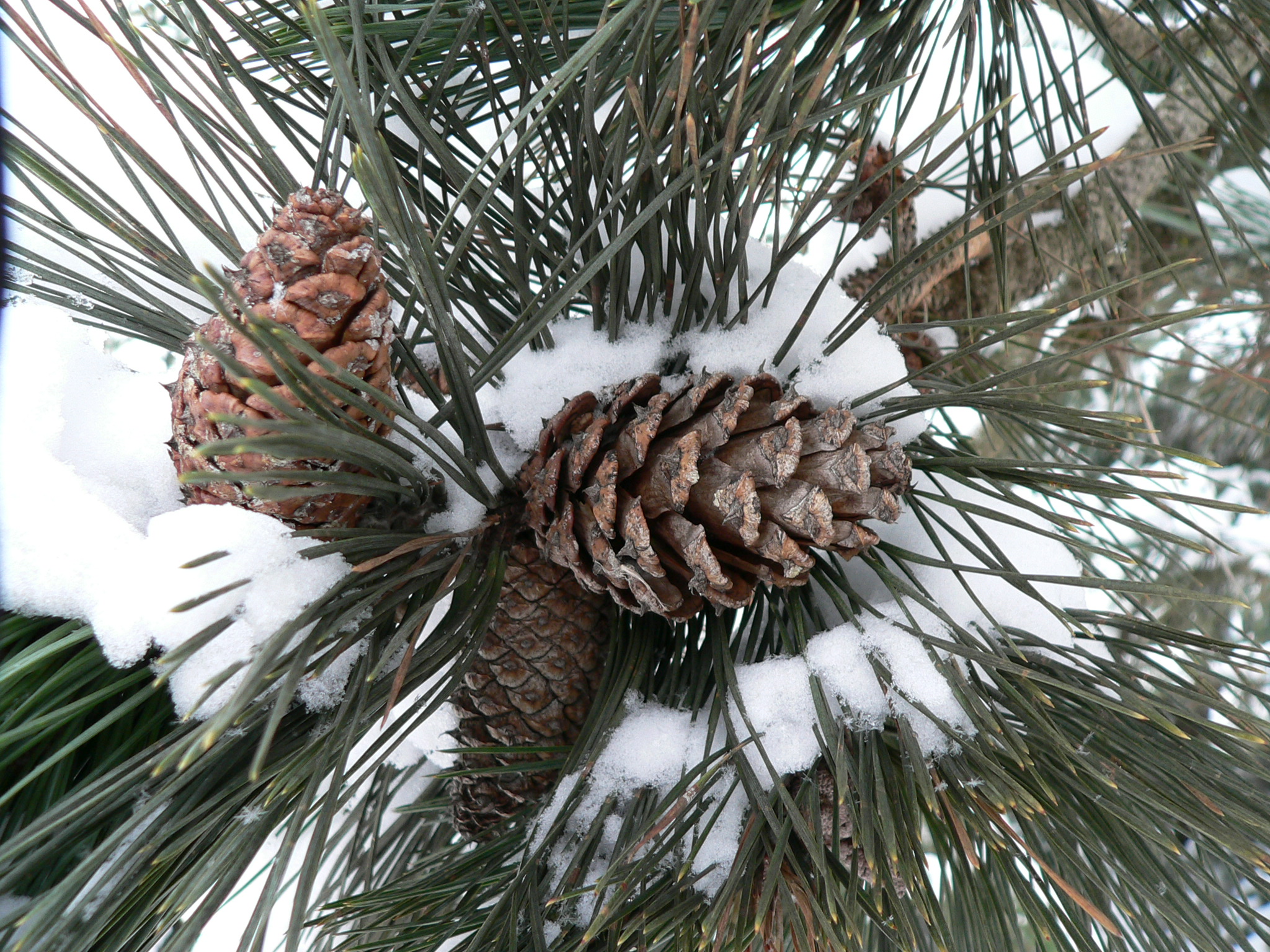
Ponderosa pinecones
Foliage
Oaks and evergreens retain their leaves and needles through the winter. So they are big additions to winter interest in our landscapes. They also provide shelter for birds and other wildlife.
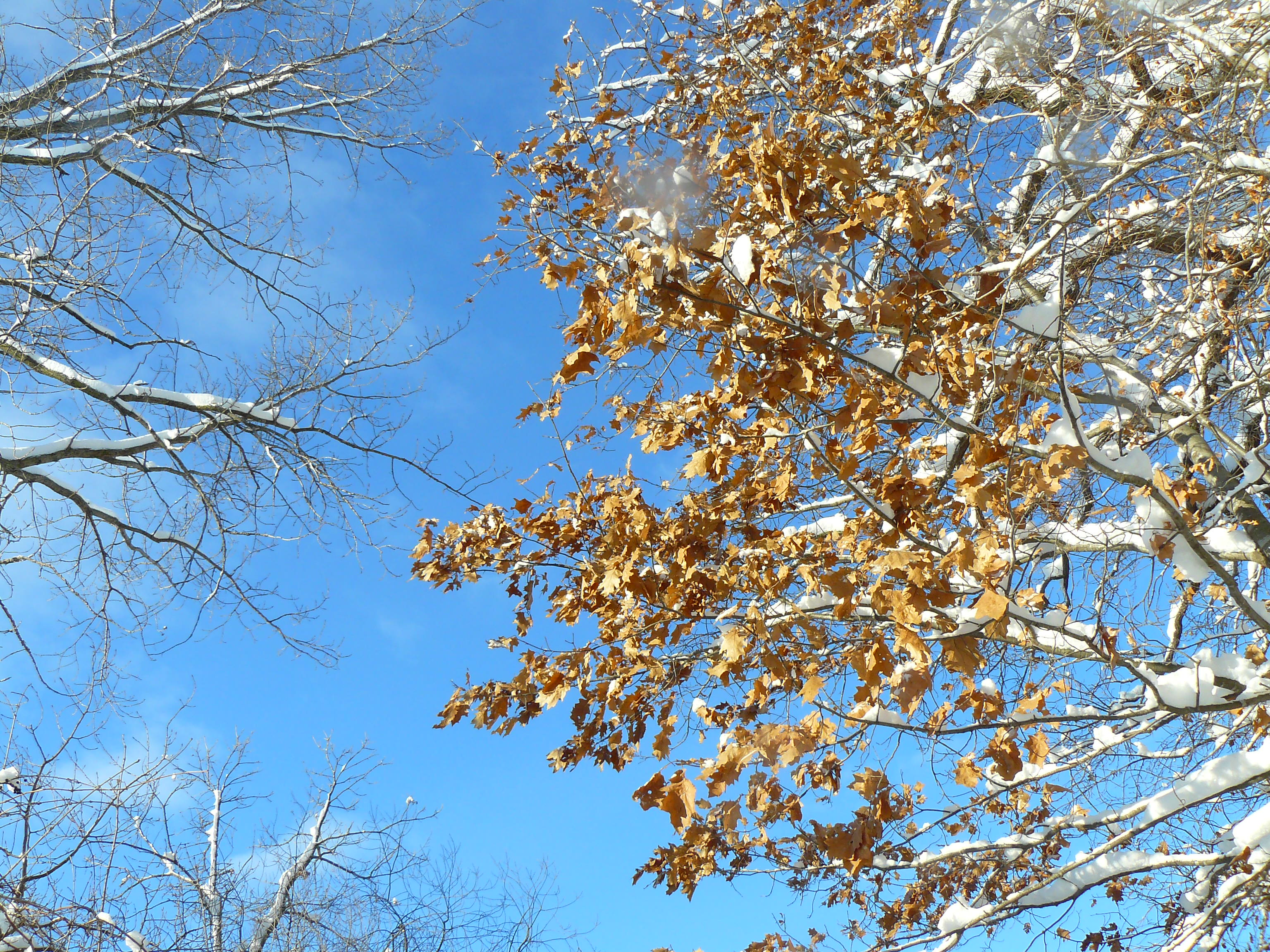
Tan oak leaves against a bright blue sky
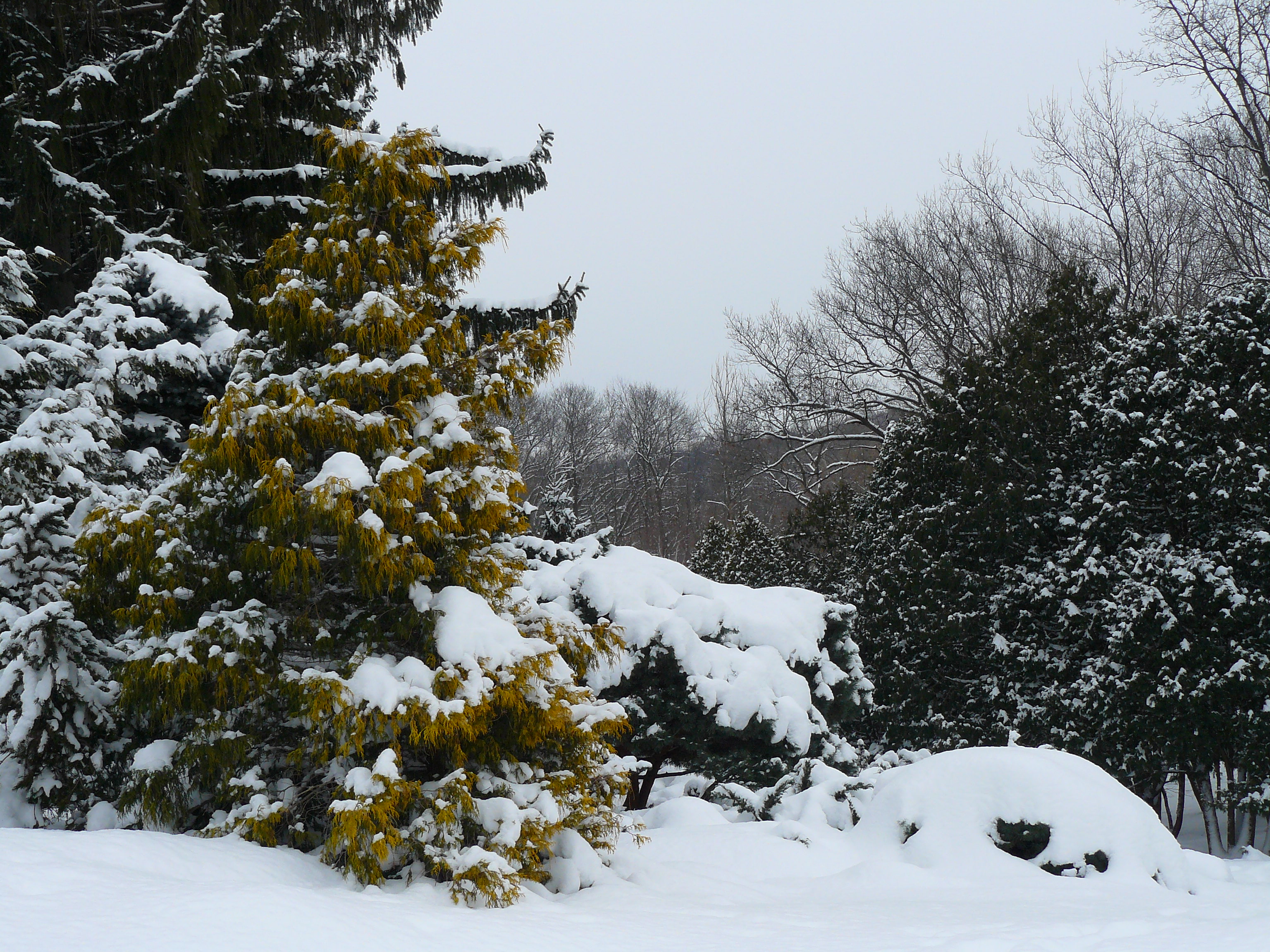
Various evergreen trees
