
Edible flowers and late-summer herbs
UNIVERSITY OF MINNESOTA EXTENSION - www.extension.umn.edu
August gardens in Minnesota are bursting with color, fragrance, and flavor. Calendula, nasturtium, basil, and dill are some easy-to-grow favorites that bring beauty to your beds and bold taste to your table.
Here’s how to enjoy them from soil to salad.
Calendula: Petals with a peppery twist
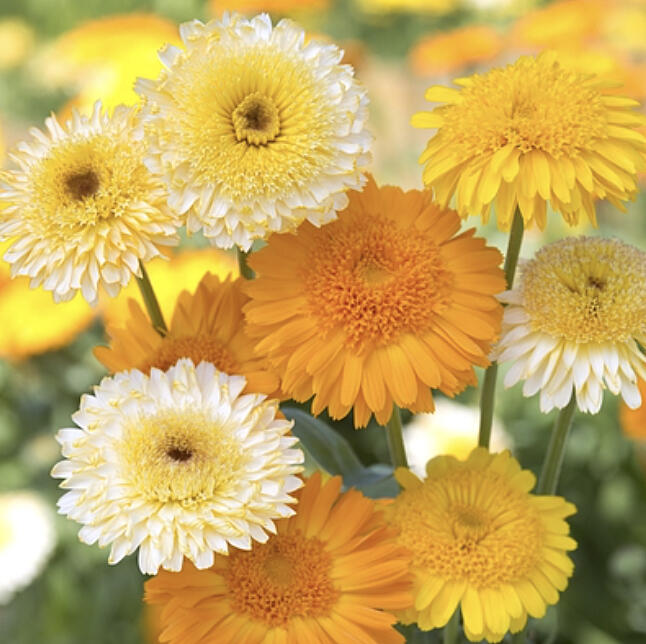
Calendula officinalis is a cool-season annual with daisy-like blooms in orange, yellow, and bi-color. Flowers bloom until frost and make great cut flowers.
- Flavor: Mildly peppery, tangy, with saffron-like notes
- Uses:
- Sprinkle petals on salads
- Infuse in oils or vinegar
- Use dried petals as natural food dye
- Grow tip: Deadhead to extend bloom; harvest before petals fade.
Nasturtium: The spicy showstopper
Tropaeolum majus is a warm-season annual with round leaves and vibrant flowers in red, orange, and yellow. Blooms from late spring to early fall.
- Flavor: Peppery, like arugula
- Uses:
- Add flowers to salads or pasta
- Stuff blossoms with herbed cheese
- Pickle seed pods as faux capers
- Grow tip: Thrives in poor soil and full sun; leaves are edible too.

Calendula adds a tangy taste to salads
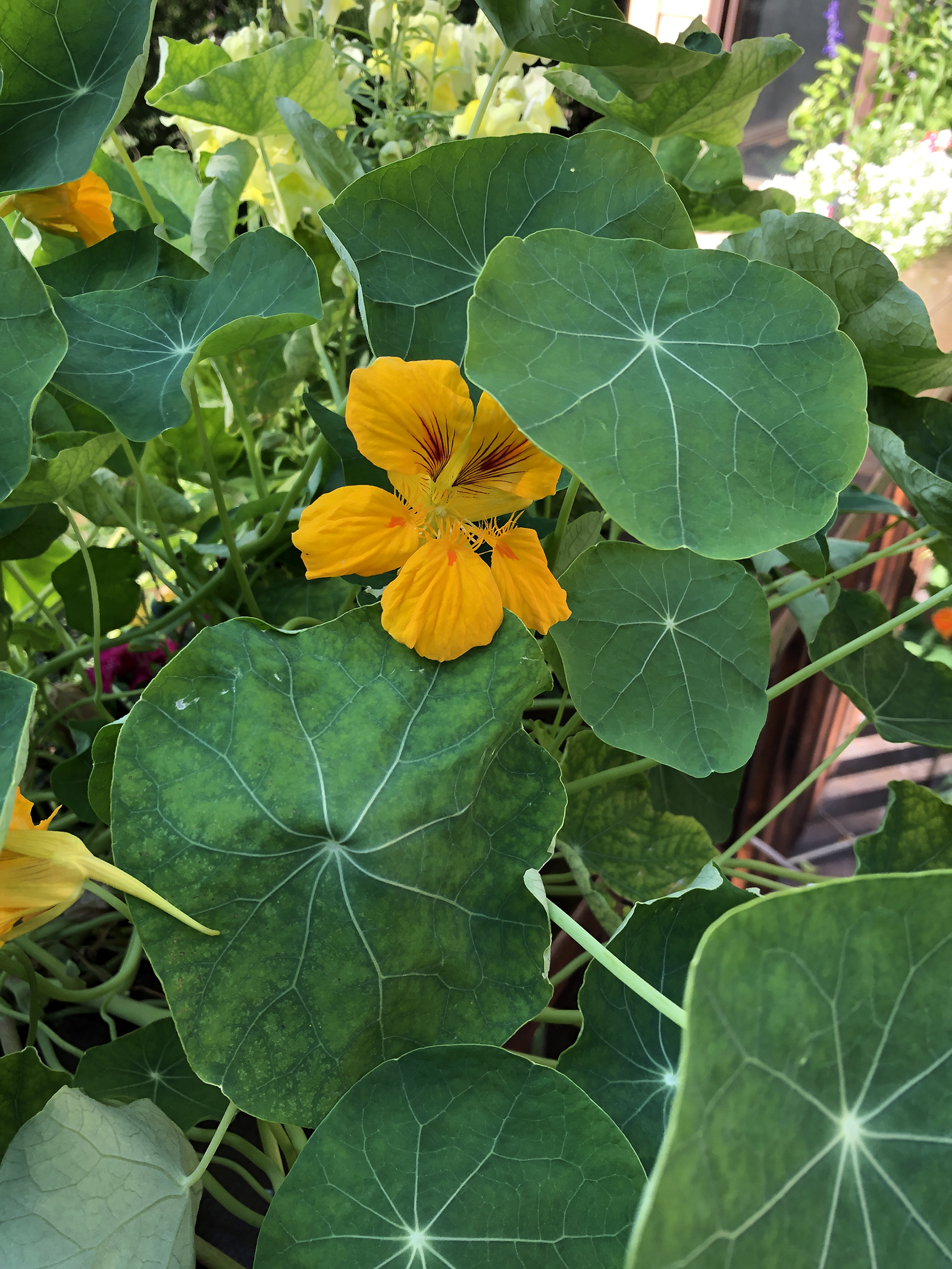
Peppery nasturtium
Basil: The aromatic hero of summer
Ocimum basilicum is a tender annual from the mint family. Basil comes in sweet, spicy, and citrusy varieties with green or purple foliage.
- Flavor: Sweet, slightly spicy, with clove and anise
- Uses:
- Make pesto (try adding calendula petals)
- Layer in tomato sandwiches or caprese
- Freeze in oil or herb cubes for winter
- Grow tip: Pinch flowers to boost leaf growth; harvest in the morning.
Dill: The feathery flavor booster
Anethum graveolens is a fast-growing annual with delicate foliage and a fresh, grassy flavor. Dill attracts pollinators and beneficial insects and serves as a host plant for swallowtail butterflies.
- Flavor: Grassy, citrusy, with a hint of anise
- Uses:
- Pair with cucumbers in soups or pickles
- Add fronds to potato salad, fish, or yogurt dips
- Use flowers in vinegar or as a garnish
- Grow tip: Let some plants go to seed for next year.
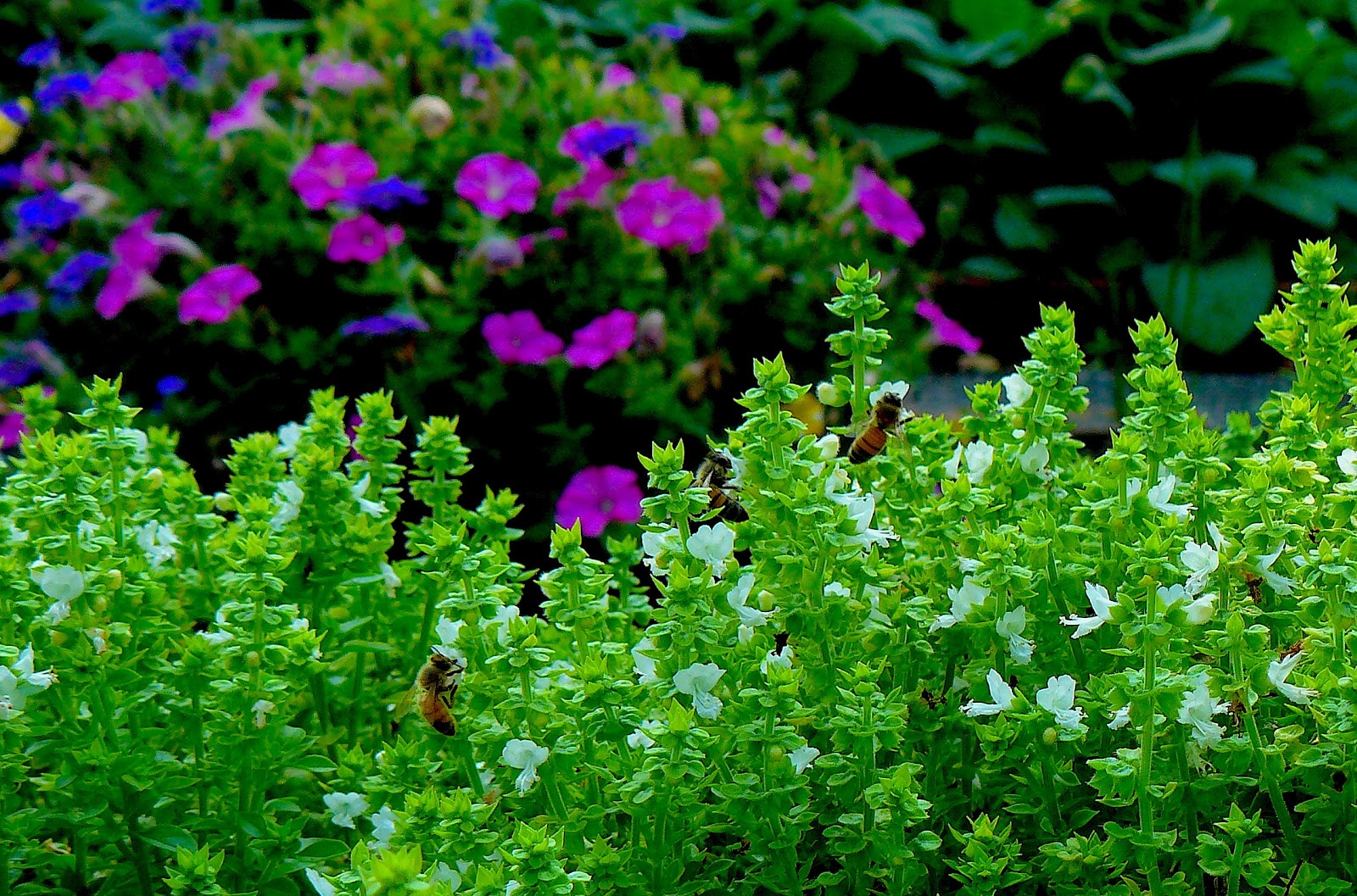
Greek basil growing with petunias

Dill
From garden to gathering
Whether you’re harvesting herbs for a backyard dinner or sprinkling petals on a summer salad, these plants invite you to savor the season with all your senses. So snip a sprig, pluck a bloom, and bring your garden to the table. Share your favorite edible flower moments with your community and inspire others to grow beauty they can taste.
