
Risk factors for lung cancer
Lung cancer affects the lives of millions of people across the globe every year. The World Cancer Research Fund reports that there were more than 2.2 million new cases of lung cancer in 2020, making it the second most common form of cancer worldwide.
Lung cancer incidence rates may be alarming, but many instances of lung cancer are preventable. Prevention begins with recognition of risk factors that can be changed.
Tobacco smoke
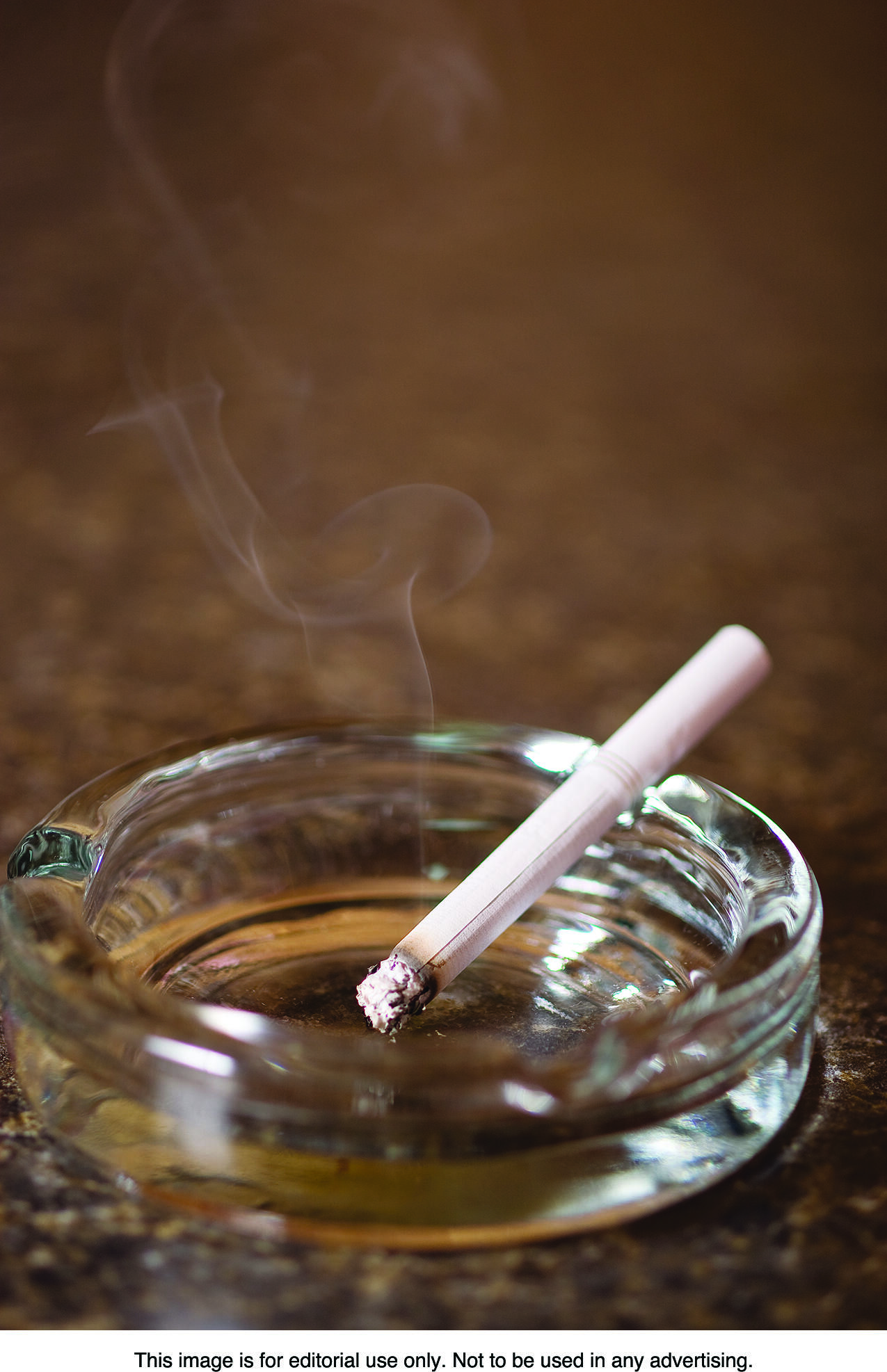
The American Cancer Society notes that smoking is the leading risk factor for lung cancer. In fact, four out of every five lung cancer deaths are believed to result from smoking. The ACS also points out that smoking low-tar or "light" cigarettes increases lung cancer risk as much as regular cigarettes. One common misconception around smoking is that cigar smoking and pipe smoking are not as risky as smoking cigarettes. However, the ACS reports that smoking tobacco in cigars or by using a pipe is nearly as likely to cause lung cancer as smoking cigarettes.
Secondhand smoke
Even being in the vicinity of someone who smokes can increase your risk for lung cancer. Johns Hopkins Medicine notes that while the cancer-causing agents in tobacco smoke are delivered in smaller amounts in secondhand smoke, they are still present, thus increasing even non-smokers' risk for lung cancer.
Radon exposure
The United States Environmental Protection Agency reports that radon exposure is the second leading cause of lung cancer in the United States. Radon is a naturally occurring radioactive gas that emits no odor and cannot be seen or tasted. However, home radon test kits are inexpensive and simple to use, and homeowners can even contact professionals to have the soil around their homes tested for radon.
Occupational exposure
Exposure to various toxins in the workplace can increase risk for lung cancer, and that risk increases even more for workers who also smoke. Exposure to arsenic, nickel and chromium on a job site can increase lung cancer risk. Such exposure can be prevented by wearing appropriate gear on a job site and adhering to all safety protocols.
Vitamin supplements
Individuals are urged to speak with their physicians before taking beta carotene supplements. Johns Hopkins Medicine reports that substantial evidence now exists linking beta carotene supplements with an elevated risk for lung cancer, especially among smokers who smoke one or more packs of cigarettes per day.
Lung cancer statistics may be sobering, but many of the risk factors for lung cancer can be avoided.
